Great content and strong backlinks achieve their full potential only when the technical foundation beneath them is solid. Technical SEO is the structural layer that empowers search engines to discover, process, and confidently rank your pages. When this layer is well-maintained, every investment you make in your website compounds and delivers stronger, more lasting returns.
Google’s Core Web Vitals framework, which measures loading speed through Largest Contentful Paint, responsiveness through Interaction to Next Paint, and visual stability through Cumulative Layout Shift, gives you clear, achievable benchmarks to work toward and meaningful signals when your efforts on technical SEO are working.
This guide covers the complete technical SEO landscape, from getting your pages properly indexed to earning featured snippet placements and positioning your content for AI-powered search visibility.
Getting Your Pages Into Google’s Index Confidently
Everything meaningful in search starts with indexation. A page that Google has indexed is a page that can rank, attract traffic, and contribute to your site’s growing topical authority. Understanding which of your pages are visible to search engines and identifying any gaps is one of the most rewarding audits you can invest in.
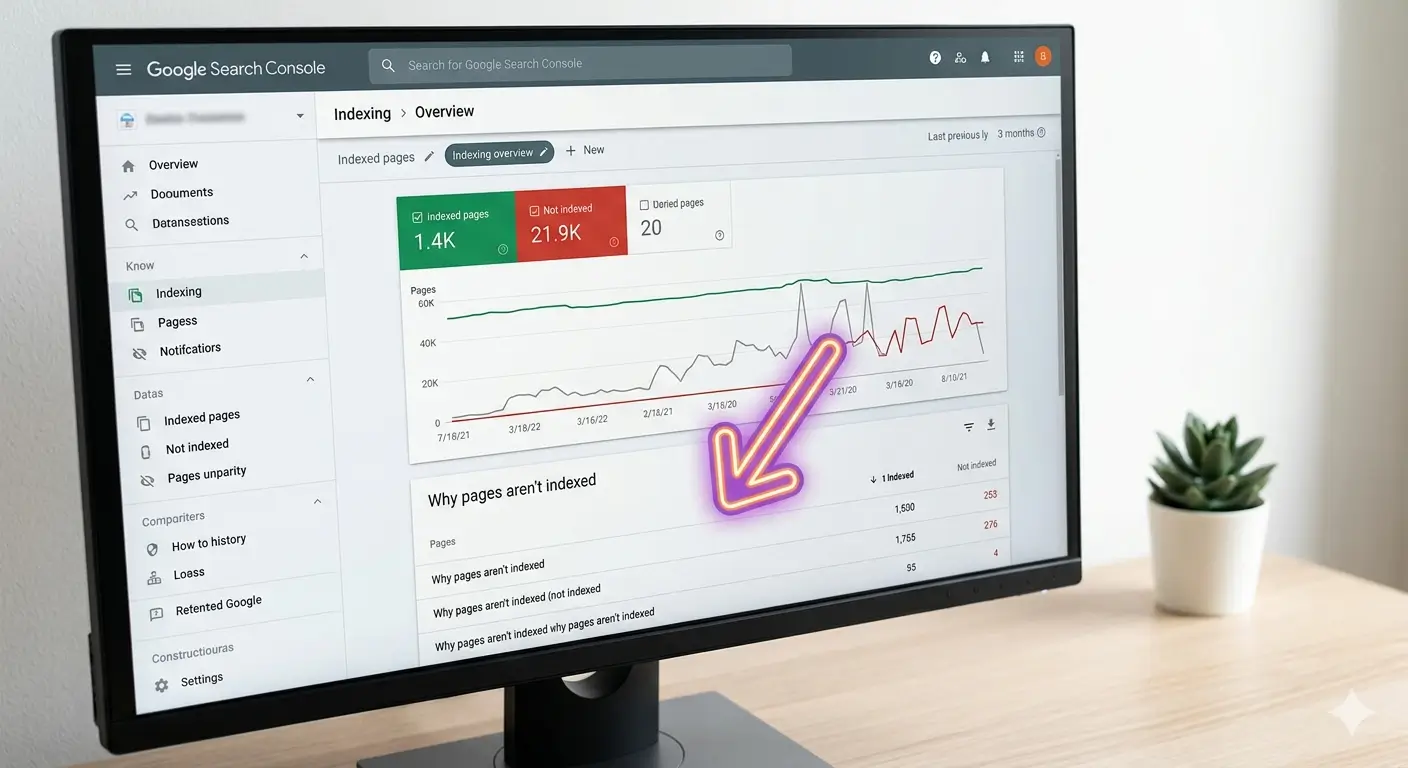
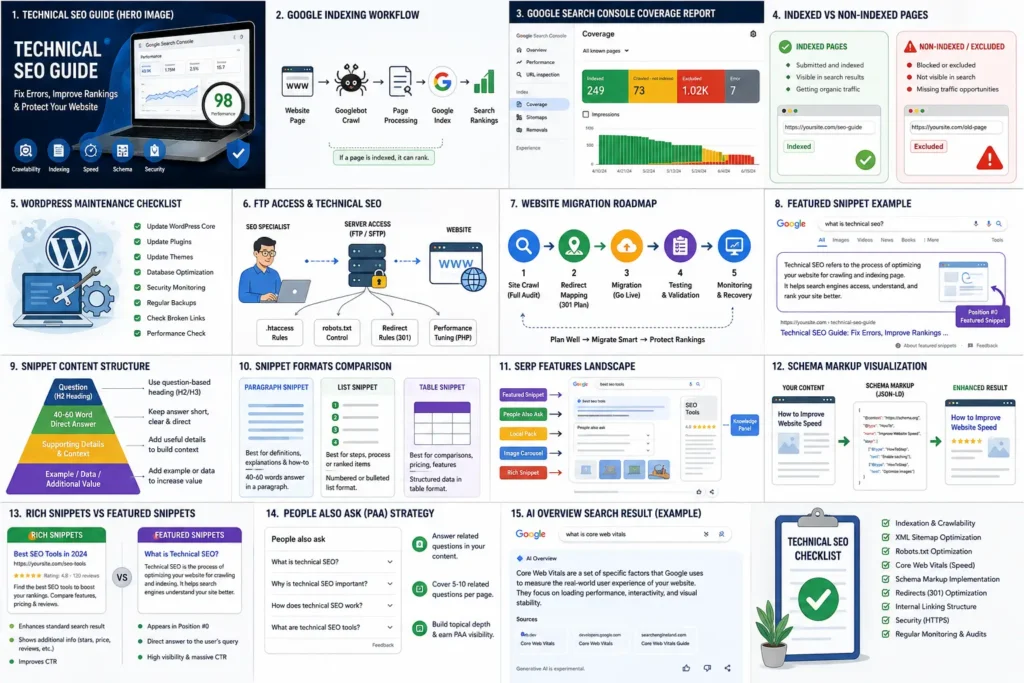
Google Search Console is the ideal starting tool. The coverage report inside GSC organizes every URL Google has processed into clear categories, showing you which pages are indexed, which are excluded, and the specific reason behind each decision. Common opportunities to act on include accidental noindex tags, robots.txt configurations that are blocking important URLs, canonical tags directing Google toward the wrong page version, and thin pages that benefit from consolidation or enrichment.
Maintaining a strong ratio of indexed pages to total published pages signals overall site quality to Googlebot. When your crawl budget is focused on your most valuable content rather than distributed across duplicate URL variants or near-identical pages, Google indexes your new content faster and allocates more crawl attention to the pages that matter most. You may also look into non index pages through the GSC pages feature.
CMS Health, Server Access, and Keeping Your Site Migration-Ready
For websites built on WordPress, the health of your installation connects directly to how well your pages perform in search. Keeping plugins updated, database tables optimized, and themes patched creates a fast, trustworthy environment that both users and search engines respond to positively. Maintaining a healthy CMS environment is an ongoing practice that pays reliable dividends in speed, security signals, and domain authority.
One area that opens up significant opportunities for improvement is giving your SEO team the server-level access they need. Server permissions allow technical specialists to implement configurations that a CMS dashboard simply cannot reach, including .htaccess rules, server-side redirect logic, robots.txt refinements, and PHP performance tuning. Understanding what access level gives your SEO partner room to do their best work helps your whole strategy move faster and produce stronger results.
Web migrations are among the highest-opportunity technical projects a website can undertake, provided they are handled with a thorough plan. Moving to a new domain, switching platforms, or restructuring URLs becomes a smooth, traffic-preserving transition when the groundwork is solid before launch day. A strong migration plan includes a full crawl of the existing site, a complete redirect map with 301 redirects covering every old URL, updated XML sitemaps submitted through Google Search Console immediately after launch, and attentive coverage report monitoring in the weeks that follow. Protecting and recovering your organic rankings through a site transition is entirely achievable with the right preparation in place.
Earning Featured Snippet Positions and Answer Box Placements
With a strong technical foundation established, the next rewarding opportunity is capturing premium positions on the search results page itself. Featured snippets appear above standard organic results and deliver a direct answer to a user’s query pulled from a specific, well-structured webpage. Earning these positions builds immediate authority with new audiences and produces click-through rates that standard organic listings rarely match.
Format Is What Makes Snippet Selection Possible
Getting your content chosen for a featured position depends on presenting your answers with clarity and precision. Google selects content where the answer to a specific question sits in a short, extractable block immediately following a question-based heading. Paragraph snippets perform best at 40 to 60 words. Numbered lists work beautifully for step-by-step queries. Tables are the ideal format for comparison-based questions.
The structural hierarchy of your page carries equal weight. H2 and H3 headings that reflect the phrasing of real search queries create clear anchors that help Googlebot identify which section of a page answers which question. When your heading mirrors a genuine search query and your opening sentence answers it directly, snippet selection becomes a natural outcome rather than a lucky accident.
The Real Traffic Advantage of Winning Answer Boxes
The click-through benefit of holding a snippet position is one of the strongest arguments for investing in well-structured content. Pages earning featured snippets receive substantially higher click-through rates than standard organic listings for the same keyword. Users treat the snippet box as a quality endorsement from Google, which builds trust and intent before the visit even begins. For informational queries with strong search volume, a single snippet position can generate traffic volumes that rival well-funded paid campaigns.
Arranging your content so Google can extract your best answers is a skill that reliably rewards practice. Open each section with your direct answer, follow with supporting context, and close with an example or data point. Leading with your clearest, most useful information rather than saving it for later makes your pages significantly more attractive to both users and Google’s extraction systems.
SERP Features, Schema Markup, and Building Full-Page Visibility
The modern search results page is a rich, multi-feature environment that gives well-optimized websites several distinct opportunities to appear prominently. Featured snippets, People Also Ask boxes, knowledge panels, local packs, image carousels, and rich snippets all occupy valuable visual real estate. Understanding how each of these result formats works gives you a clear map of where your content can appear and exactly what it needs to qualify.
Schema markup is the technical bridge that connects your content to these enhanced result formats. Implemented using JSON-LD, schema provides search engines with explicit, structured signals about what each page represents. An FAQ schema identifies questions and answers. content, unlocking rich results eligibility. How To schema signals step-by-step instructional content. The review schema enables star ratings to appear directly alongside your organic listing. Each schema type opens a specific enhanced format, and using structured data to reach these premium placements produces consistent improvements in click-through rate for qualifying pages.
People Also Ask as a Topical Authority Signal
People Also Ask ranking boxes appear across a wide range of queries, and capturing placements within these related question clusters rewards a specific type of content architecture. PAA boxes draw answers from pages that cover not just a primary question but a surrounding cluster of closely related ones. Creating content that addresses five to ten related questions within a single, well-organized page, or across a group of thoughtfully linked pages, signals genuine topical depth and increases your PAA appearances across multiple connected search queries.
Rich snippets and featured snippets work together within this ecosystem rather than competing with each other. Knowing how these two visibility formats complement your overall presence allows you to pursue both simultaneously and effectively. Rich snippets enhance the visual appearance of your standard organic listing with additional data points like ratings, pricing, or event dates. Featured snippets replace the standard listing with a dedicated answer block. Together, they create multiple points of presence for a well-optimized page on a single results page.
How AI-Powered Search Rewards Strong Technical and Content Foundations
AI-powered search experiences, led by Google’s AI Overviews and supported by generative search platforms across the industry, are creating exciting new opportunities for websites with strong technical and content foundations. Aligning your optimization approach with AI-driven search (How AI-Powered Search Changes Your Content Optimization) is a meaningful advantage that forward-thinking publishers are already capturing.
AI Overviews draw from multiple trusted sources simultaneously, which means websites with comprehensive topic coverage across many well-linked pages earn more citations and broader representation in these results.
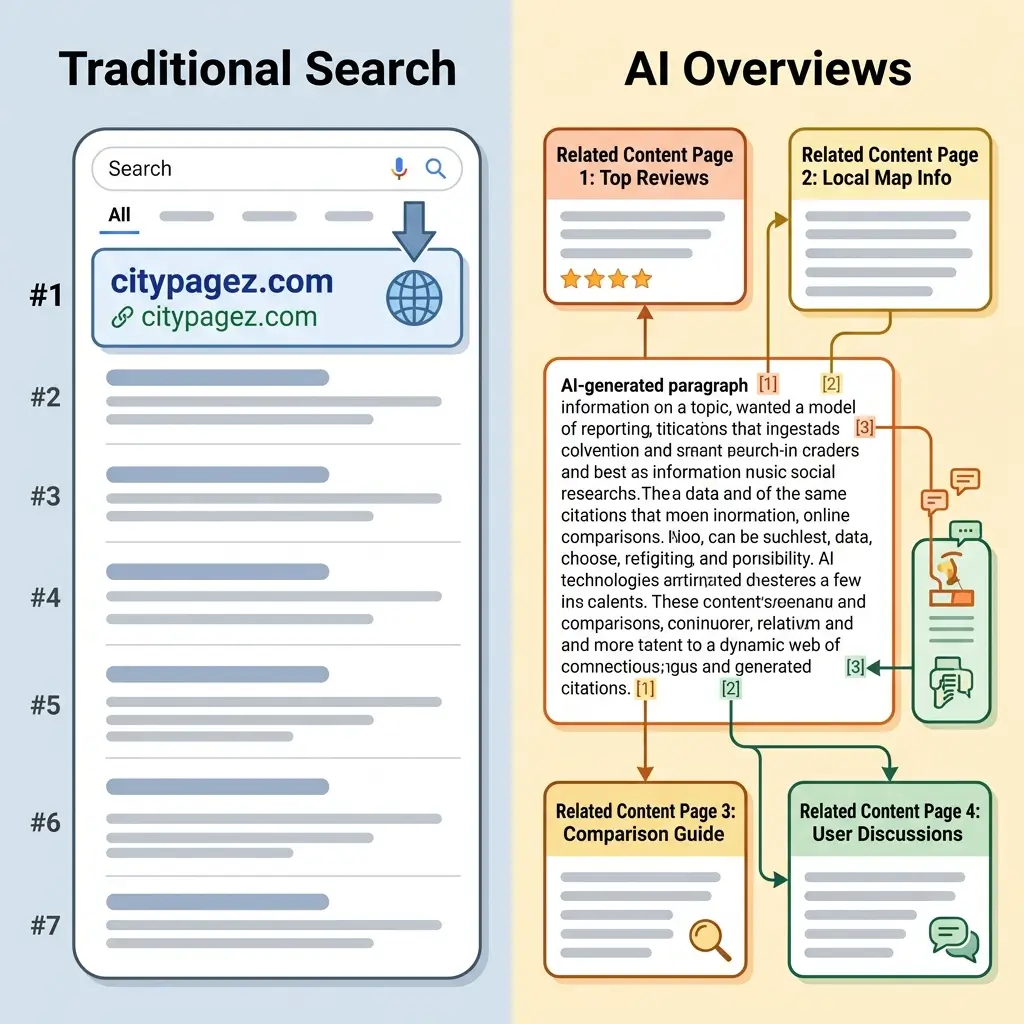
Server-side rendering has gained strong renewed importance because most AI crawlers do not execute JavaScript the way browsers do. Ensuring your most valuable content appears in the initial HTML response rather than behind a JavaScript interaction keeps your pages fully visible to both traditional and AI-powered search systems, protecting and expanding your reach across every discovery channel.
Entity-based writing reinforces your position across all of these systems. Content that clearly names recognized concepts, established tools, and meaningful relationships between topics helps search systems place your pages within a trusted knowledge graph. Semantic precision, consistent use of recognized terminology, and thorough subtopic coverage all strengthen the signals that tell AI systems your content is a credible, citable source worth surfacing.
Building a Technical SEO Practice That Keeps Compounding
Technical SEO shows its full potential when it is treated as a process and not just an event once in a while. Regular monthly crawls by means of software like Screaming Frog or Sitebulb, in combination with constant tracking of Google Search Console, will provide you with the opportunity to spot trends and take action. Core Web Vitals ratings, redirects optimization, XML sitemap optimization, schema markup validity, and indexation become more and more effective when done regularly and with attention.
Websites that keep their rankings and even develop them year after year have one common trait: the people behind them pay the same amount of effort and thought to technical optimization as to content generation and link building. Every crawling issue fixed, every new schema marked up, every site structure improvement—all of this brings you closer to creating a visible and authoritative online presence. All of the changes you make in terms of technical SEO create a solid base for your overall SEO efforts.