If you run a WordPress website, you already know how much effort goes into creating great content and building an audience. Yet many owners overlook the steady work happening behind the scenes. Regular maintenance does more than prevent problems. It actively supports your search engine rankings by keeping the site fast, secure, and easy for Google to understand and recommend.
Search engines favor websites that deliver consistent, positive experiences. When your WordPress site stays updated and optimized, it aligns with what matters most in modern ranking algorithms: speed, security, reliability, and relevance. Sites that fall behind often see gradual drops in visibility, while well-maintained ones hold their ground and gain traction over time.
The Direct Link Between Maintenance and Better Rankings
Google and other search engines use hundreds of signals to decide which pages deserve top spots. Technical SEO health ranks high among them. A regularly maintained WordPress site sends strong positive signals across several key areas.
Page experience metrics, including Core Web Vitals, play a growing role. Sites that load quickly and feel smooth to use tend to keep visitors engaged longer. This engagement tells search engines the content delivers real value. Maintenance helps you stay ahead of performance issues that develop naturally as plugins, themes, and content accumulate. One site owner I spoke with shared how their traffic stabilized after starting monthly maintenance. “We stopped losing ground every time Google updated its algorithm,” they noted. Consistent care creates resilience that casual updates cannot match.
Strengthening Security to Build Trust with Search Engines and Users
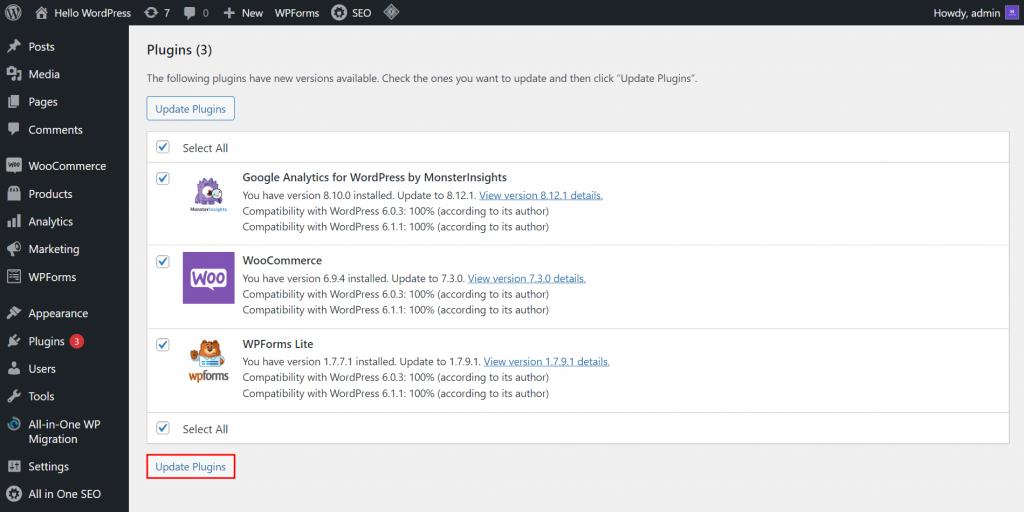
Security forms a cornerstone of good SEO. Keeping WordPress installations, themes, and plugins up to date helps maintain a safe and stable website environment. A well-maintained site reduces risks and supports consistent performance, helping it stay visible in search results while providing a smooth and reassuring experience for visitors.
Timely updates close these gaps before issues arise. When you keep everything current, you protect your site’s reputation. Google views secure sites more favorably because they provide safer experiences for users. HTTPS implementation stays reliable through regular checks, avoiding mixed content warnings that can harm both user trust and rankings.
Sites that apply updates promptly avoid becoming easy targets. This proactive approach prevents downtime and maintains steady indexing, so your pages continue appearing in relevant searches. A secure site also encourages more backlinks and social shares. Visitors feel comfortable exploring and linking to your content when they know it is reliable. This natural link growth further strengthens your SEO foundation.
Improving Site Speed for Superior User Experiences
Speed directly influences how users interact with your website. Even a one-second delay can increase bounce rates and reduce conversions. Search engines notice these patterns and adjust rankings accordingly. Regular maintenance delivers measurable speed improvements through several practical steps:
- Optimizing and compressing images without losing quality
- Cleaning up database tables that grow bloated over time
- Removing or replacing heavy, outdated plugins
- Implementing effective caching solutions
- Minifying CSS, JavaScript, and HTML where appropriate
These actions help achieve better scores in tools like Google PageSpeed Insights. Faster loading times lead to lower bounce rates and longer session durations. Both metrics serve as positive signals that support higher positions in search results.
Mobile performance receives equal attention. With most internet traffic now coming from phones, a site that performs well across devices gains a clear advantage. Maintenance ensures responsive designs stay intact after updates and that touch interactions feel natural. Many businesses report significant traffic gains after speed-focused maintenance. The improvements compound as search engines reward a better user experience.
Supporting Efficient Crawling and Indexing
Search engine crawlers need to access and understand your content easily. Maintenance keeps technical elements in excellent shape so bots spend their time on valuable pages rather than error messages. You regularly update XML sitemaps, fix broken links, and manage URL redirects properly. These steps prevent crawl budget waste and ensure important content gets discovered quickly. Proper canonical tags and structured navigation also help search engines grasp your site’s hierarchy.
During routine checks, you can identify and resolve indexing issues before they affect visibility. For instance, accidental noindex tags or duplicate content problems get corrected fast. This attention keeps your most important pages prominent in search engine results.
Internal linking plays a supportive role here. When you review and refresh links as part of maintenance, you create smoother paths for both users and crawlers. This practice distributes authority more effectively across your site and improves overall topical relevance.
Keeping Content Fresh and Optimized
Search engines appreciate content that remains accurate and useful. Regular maintenance includes reviewing existing pages to update statistics, refresh examples, and improve readability. These updates signal to Google that your site stays active and relevant.
You can enhance headings, meta descriptions, and image alt text without rewriting entire articles. Small refinements often improve relevance for current search queries. Well-organized content also positions you better for enhanced search features that drive more clicks.
Many site owners use maintenance windows to implement effective content structuring for search features. This approach helps information appear in prominent result formats that increase visibility and qualified traffic. Adding rich data markup further improves how search engines interpret and display your pages. These enhancements often lead to richer snippets that stand out and attract more attention.
For those looking to maximize visibility, exploring ways to structure content for prominent placements and practical strategies for enhanced search appearances proves valuable. These techniques work best on a technically sound foundation that regular maintenance provides.
The Importance of Reliable Backups and Uptime
Unexpected issues can happen to any website. Good maintenance includes automated backups that let you restore quickly with minimal disruption. This protection preserves your SEO progress and prevents extended periods of poor performance or inaccessibility.
Uptime monitoring ensures your site remains available around the clock. Search engines prefer reliable resources. Frequent downtime frustrates users and can lead to reduced crawl frequency. Consistent availability supports steady indexing and ranking stability.
When Professional Help Makes a Difference
Handling maintenance yourself works for smaller sites, but many owners benefit from expert support as their website grows. SEO professionals understand exactly how technical changes affect search performance. They can implement optimizations efficiently while maintaining security.
Granting appropriate technical access to specialists allows them to perform deeper reviews and apply fixes safely. This collaboration often uncovers opportunities that busy owners might miss. Clear communication ensures all changes support your specific goals.
A Practical WordPress Maintenance Checklist
Create a routine that fits your schedule. Many successful sites follow these core practices:
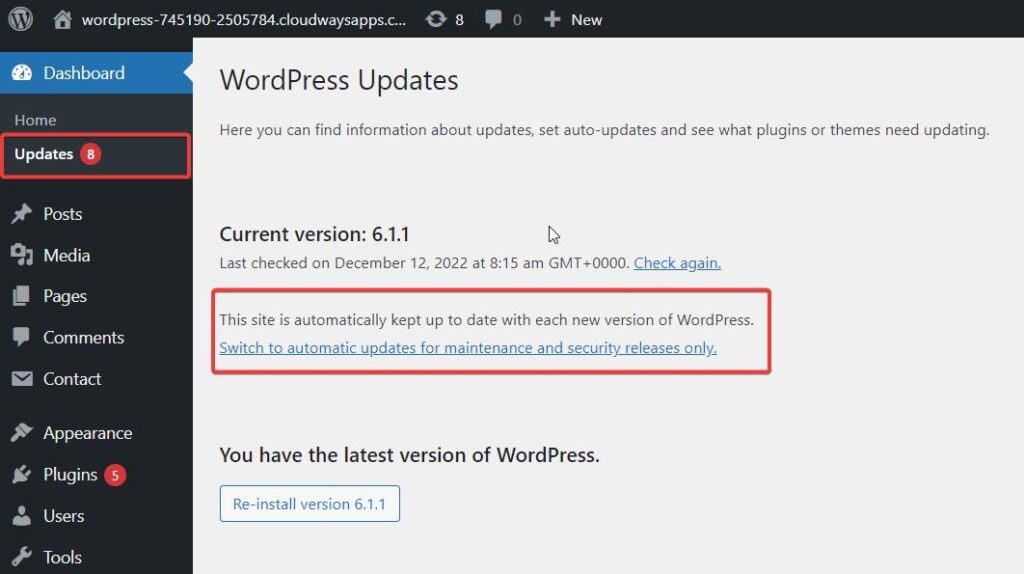
- Update WordPress core, themes, and plugins promptly
- Run performance audits and implement recommended fixes
- Test website functionality across devices and browsers
- Review and optimize database regularly
- Check for broken links and fix redirects as needed
- Verify security settings and scan for potential issues
- Update content where information has changed
- Confirm backups are running successfully
- Monitor Google Search Console for new insights or warnings
- Review analytics to spot trends in user behavior
Breaking these tasks into weekly or monthly segments makes them manageable. Over time, the routine becomes second nature and delivers consistent results.
Tracking the Results of Your Efforts
Maintenance success shows up in several measurable ways. You will likely notice improved PageSpeed scores, fewer security alerts, and more stable traffic patterns. Indexing coverage often expands as technical barriers disappear.
Engagement metrics tend to rise as users enjoy faster, more reliable experiences. Higher time on page and lower bounce rates contribute to stronger ranking signals. Many sites also see gradual improvements in organic keyword positions after several months of consistent care. Document your activities and results. This record helps you refine your approach and demonstrates the return on investment when discussing resources with stakeholders.
Long-Term Benefits for Sustainable Growth
WordPress maintenance creates advantages that build upon each other. A fast, secure, and well-structured site attracts more natural links and social mentions. These external signals further boost authority and visibility.
Your brand perception improves when visitors encounter a professional, responsive website. This positive experience encourages conversions, repeat visits, and recommendations. SEO becomes easier when the foundation stays strong. As search algorithms continue evolving, well-maintained sites adapt more smoothly. You avoid the sharp drops that often hit neglected websites during major updates. Instead, you maintain steady progress toward your traffic and business goals.
Making Maintenance Part of Your Strategy
First, evaluate the state of your current website. Determine the problem that requires priority action, whether slow speed, poor security measures, or outdated content. Create a sensible schedule and utilize beneficial plugins where needed and without excess bloat. Always test any changes in a staging environment before implementation, if you have one available, to avoid any unforeseen problems on the live website. Start from actions with immediate effect on your visitors and ranking in search results.
Maintenance is actually an investment into your website. Time and effort will pay off in terms of improved search engine rankings and increased traffic. Your WordPress website will be able to generate additional value instead of being an additional burden for your company.
With maintenance, you can ensure that your website stands out even in a tough competition for top positions in search results. A great technical side combined with useful content is what generates positive outcomes for users and higher rankings in search engines.