Every SEO professional pursuing sustainable organic growth understands one clear truth: the search engine results page has fundamentally evolved in favor of brands that structure their content with precision. Position Zero, the answer box sitting above every organic listing, now commands more qualified impressions than any standard blue link. According to Bain and Company research, 80% of consumers now rely on AI-powered summaries in at least 40% of their searches, and 60% of all searches end without the user clicking through to any website at all. On the snippet side, an EngineScout survey of 3,500 Google users found that featured snippets capture 35.1% of the total click share on SERPs where they appear. That level of SERP real estate makes answer box optimization one of the highest-leverage investments any content team can commit to right now.
This guide covers every proven strategy, including content architecture, keyword targeting, structured data, technical SEO, and ongoing measurement, so your pages become Google’s preferred source for direct answers across every relevant query you target.
What Answer Boxes and Featured Snippets Mean for Your Traffic
A featured snippet is a selected result Google extracts from a ranking page and places inside a highlighted box at the top of the SERP, formatted as a paragraph, numbered list, bulleted list, or table. “Answer boxes” refer broadly to any direct answer feature, including featured snippets, Knowledge Panels, and AI Overviews, that resolves a query and delivers value to the user instantly.
The traffic potential is genuinely exciting. An Ahrefs study of two million featured snippets found that winning position zero earns the featured page an average 8.6% click-through rate on that SERP, while pages ranking number one without a snippet receive around 26% of clicks on their own. For brands already ranking in the top ten, earning the featured snippet position effectively adds a second high-visibility placement to their existing organic presence. For commercial, navigational, and research-heavy queries, earning the answer box powerfully increases brand authority and downstream conversions, especially when the snippet includes a trusted link users feel confident following.
The four primary snippet formats each serve different query types beautifully. Paragraph snippets dominate definition and explanation searches. List snippets appear for how-to and process-based queries. Table snippets serve comparison and data requests. Video snippets surface for instructional content where demonstration adds genuine value. Recognizing which format fits your target query shapes how you architect every piece of content you produce.
| Snippet Type | Best Fit Query | Content Tip |
| Paragraph | Definition, “what is” | 40 to 60-word direct answer below H2 |
| Numbered List | Step-by-step process | One clear action per numbered item |
| Bulleted List | Best practices, tools | 5 to 8 concise, self-contained bullets |
| Table | Comparisons, data sets | HTML table with descriptive column headers |
| Video | Instructional, tutorial | Timestamp chapters with transcript on page |
Building a Content Structure Google Extracts as Answers
Google rewards precision above all else. Pages that consistently earn featured snippets share one architectural strength: they answer the target question directly, completely, and within a contained block of text that crawlers can isolate with confidence. Learning how to properly format each section for snippet selection starts with question-based headings. H2 or H3 tags phrased as genuine user questions, followed immediately by a 40-to-60-word direct answer, give Google exactly what it needs to extract and surface your content. The answer block should be fully complete on its own so it carries maximum value in the SERP box.
For list-based queries, breaking content into clearly numbered steps or bulleted items under a descriptive heading is the winning approach, with each point written as a self-contained sentence. For table-format opportunities, organizing comparison data in clean HTML tables with descriptive column headers gives Google structured material it surfaces readily in rich SERP features when the query calls for comparative information.
Semantic depth amplifies every structural decision. Pages using entity-rich language, meaning terms closely associated with your primary topic, signal topical authority to Google’s natural language processing systems. When covering featured snippets, incorporating related entities like search intent, SERP features, crawl budget, E-E-A-T, and Knowledge Graph build the semantic strength that elevates content toward position zero. Tools like SurferSEO, SEMrush’s content template, People Also Ask results, and AlsoAsked all help identify which entities belong in your content so every paragraph contributes meaningful context.
Keyword Research and Query Targeting for Answer Box Wins
Selecting the right keywords is where featured snippet strategies begin to generate real results. Query types most likely to surface answer boxes are interrogative, covering who, what, when, where, why, and how, along with superlatives, comparisons, and procedural searches. Semrush research confirms that 41.59% of all queries that have featured snippets are question-based, and “why” queries trigger paragraph-format snippets 99.96% of the time. Building your keyword strategy around these trigger patterns substantially strengthens your Position Zero eligibility across multiple topics simultaneously.
The most rewarding approach is targeting keywords where a featured snippet already exists. Using SEMrush Position Tracking or Ahrefs SERP overview to isolate queries with active snippets and then evaluating whether your content can deliver a more concise and better-structured answer than the current holder reveals low-difficulty, high-visibility opportunities that generate compounding returns over time.
Long-tail keyword targeting is especially powerful for featured snippet acquisition. Semrush research shows that 10-word queries trigger featured snippets 55.5% of the time compared to just 4.3% for single-word searches. Phrases of four words or more carry clearer intent signals, earn more targeted traffic, and align precisely with the conversational search patterns that voice assistants like Google Assistant, Siri, and Alexa rely on. Voice search and featured snippet optimization are, in practice, the same discipline because both reward direct, concise, well-structured answers delivered efficiently to users with clear intent.
The People Also Ask box is a highly productive research asset. Each PAA question represents a query cluster Google has already validated as related to your primary target. Semrush data shows PAA boxes now appear in approximately 64.9% of all searches. Expanding your content to address five to ten PAA questions, each with a focused 50-word answer, transforms a single page into a featured snippet candidate for multiple related queries at once, multiplying your SERP visibility from a single content investment.
Indexation Health: The Technical Foundation of Every Strategy
Strong indexation is the starting point for every SERP feature gain your content can achieve. Every page competing for featured snippets needs consistent, reliable crawling and indexation to become eligible. Proactively auditing which pages Google has successfully indexed surfaces opportunities to bring more high-quality content into the eligible pool by improving robots.txt directives, refining meta tag configurations, and strengthening internal linking to pages that deserve more crawl attention.
Google Search Console’s coverage report is the fastest and most actionable diagnostic tool available. It segments URLs into indexed, confirmed, and enhanced states with specific context attached to each category. Resolving any coverage gaps, updating canonical tags to reflect your preferred URLs, and strengthening internal linking to well-optimized pages directly expands the content pool actively competing for SERP features.
Crawl budget management rewards larger sites significantly. Google allocates crawl capacity to every domain based on site quality and authority, and directing that capacity toward high-value answer pages through a clean URL structure, a well-maintained XML sitemap, and consolidated content architecture ensures that your best pages get re-crawled and refreshed on a schedule that keeps them competitive in the SERP. Ahrefs data confirms that 99.58% of all featured snippets come from pages already ranking in organic positions one through ten, which means strong crawlability and indexation hygiene directly protect the rankings that make snippet eligibility possible.
Schema Markup: Communicating Structure Directly to Search Engines
Structured data is one of the most powerful and accessible levers available for featured snippet and rich result optimization. Schema markup gives Google machine-readable labels for every fact on your page, delivering the clarity that search engines need to classify and surface content with confidence. Backlinko research confirms that 72.6% of pages on Google’s first page already use schema, yet only about 30% of websites overall have implemented it, creating a clear competitive advantage for every team that chooses to act on this opportunity.
Understanding which structured data types unlock specific SERP enhancements is the most productive starting point for every implementation decision. Article schema supports news and blog content. Product schema improves e-commerce visibility. The HowTo schema helps instructional content surface in rich results. A SearchPilot controlled experiment found that adding review schema alone produced a statistically significant 20% uplift in organic traffic. Pages showing as rich results see an 82% higher click-through rate compared to standard listings, a figure documented in Google’s Nestle case study published directly through Google Search Central.
The most important strategic development in 2025 is that schema now functions as an AI trust signal that goes well beyond its traditional role as a display trigger. Google’s Gemini-powered systems use schema to verify claims, establish entity relationships, and assess source credibility when assembling AI overview answers. Implementing a clean, accurate entity schema including Organization, Article, and BreadcrumbList types positions your site as a trusted and citable source inside AI-generated answers, generating brand impressions and authority signals across an expanding share of SERP real estate. Seer Interactive research from September 2025 found that brands cited in AI Overviews earn 35% more organic clicks than non-cited brands on the same query, making structured data implementation a direct driver of AI-era visibility.
Technical Health and Platform Maintenance as Active Ranking Signals
Featured snippet eligibility grows stronger with every improvement your site makes to page quality and user experience. A page that loads quickly, renders beautifully on mobile, and serves current, accurate information holds snippet positions with consistency. Core Web Vitals, including Largest Contentful Paint, Cumulative Layout Shift, and Interaction to Next Paint, are Google’s page experience signals that actively support ranking stability. Pages achieving strong LCP scores at or below 2.5 seconds deliver the experience quality Google rewards with sustained SERP feature visibility.
For WordPress-based sites, consistent platform maintenance directly strengthens search performance across every dimension that matters to Google. Keeping plugins updated resolves security and compatibility issues before they affect page performance metrics. Clean, regularly optimized databases improve server response times. Scheduled maintenance cycles covering plugin updates, database optimization, link audits, and cache management keep the technical foundation strong so every well-structured, schema-enhanced page competes at full capability throughout the year.
Measuring Growth and Building on Snippet Performance
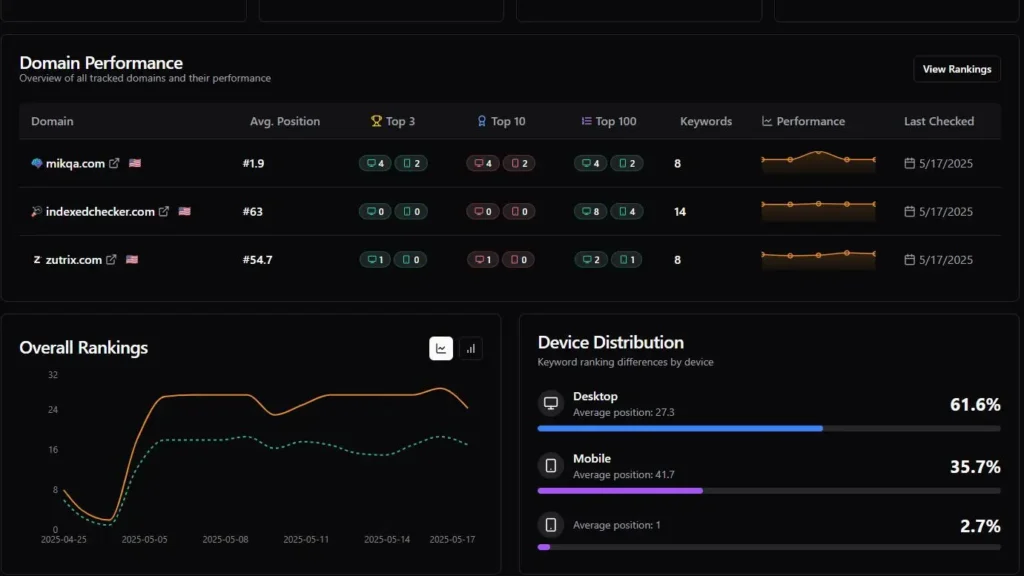
Winning a featured snippet opens the door to compounding SERP visibility that grows stronger with sustained attention and smart iteration. Search intent evolves, content quality standards rise, and Google actively rewards pages that stay current and authoritative. Google Search Console provides the core measurement layer, tracking impressions, average position, and click-through rate for every snippet-eligible query your content targets. Third-party platforms like SEMrush Position Tracking, Ahrefs Rank Tracker, and SERP Robot extend this tracking capability across large keyword sets so your team can manage snippet performance strategically at scale.
Reviewing the most impactful structural patterns that strengthen snippet eligibility consistently highlights the same high-value refinements: tightening answer blocks to stay within 80 words, placing question-based headings prominently in the page structure, aligning content precisely with actual user intent rather than broad keyword targets, and ensuring each page contains a clearly isolated answer paragraph that Google can extract with confidence. Applying any one of these improvements to a page already ranking in the top ten for a snippet-eligible query regularly produces position zero results within weeks.
Content consolidation is another high-reward strategy. When multiple pages across the same domain cover the same query with comparable depth, combining them into a single, comprehensive, well-structured page focuses all topical authority and link equity behind one URL, giving that page the strongest possible signal set to compete for the snippet position. Publishing content that reads naturally to human audiences and communicates clearly to search engines is always the winning combination, because precision, honesty, and genuine usefulness are the qualities Google’s evaluation systems are designed to identify and reward.
Capturing and Holding SERP Feature Visibility Long Term
Ranking in answer boxes is the result of interconnected disciplines working together: content architecture, semantic depth, technical health, structured data, and continuous refinement. Every signal reinforces the others, which means teams that build strong practices across all of these areas generate compounding returns rather than one-time wins. With only 31.3% of websites implementing schema and the majority of content teams still writing for keyword density rather than answer precision, the opportunity available to structured, intentional SEO programs is genuinely substantial.
Organizations that commit to question-based content architecture, clean and accurate structured data, strong indexation hygiene, and a regular content refresh schedule are well-positioned to capture the most valuable real estate in organic search. That position strengthens as Google’s search experience continues to evolve toward AI-assisted, answer-first results because the same content qualities that win featured snippets today are precisely the qualities that earn citations inside tomorrow’s AI overviews.