Every brand producing content competes for a share of attention on Google’s results page, and the brands winning the most visible placements are doing something specific. They are giving search engines a precise, machine-readable map of their content through structured data, and Google is rewarding that clarity with enhanced displays that stand out far above standard organic listings. Star ratings, pricing, answer boxes, event cards, and image panels all become accessible through schema markup, and each one represents a distinct click opportunity that a standard blue link simply cannot compete with. Building your content strategy around earning every layer of the results page starts with understanding how schema markup connects your content to the features Google is already eager to serve.
Why Schema Markup Strengthens SERP Feature Eligibility
Search engines read text with remarkable depth, and schema markup elevates that reading into genuine understanding. When Googlebot encounters a product page with complete structured data, it receives a precise, confident signal: this entity is a product, this value is its price, this figure represents its aggregate rating. That precision is what gives Google the confidence to commit visual interface space to an enhanced result display, because rich results represent Google’s own endorsement of the clarity and reliability of that data.
Structured Data and Search Confidence
Rich result formats carry credibility with them. When Google surfaces star ratings, recipe preparation times, or pricing directly in search, it is placing its own interface design behind that information. The systems that select pages for enhanced treatment look for content that meets a higher standard of structural accuracy and factual precision, and schema markup is the most direct way to communicate that a page meets that standard.
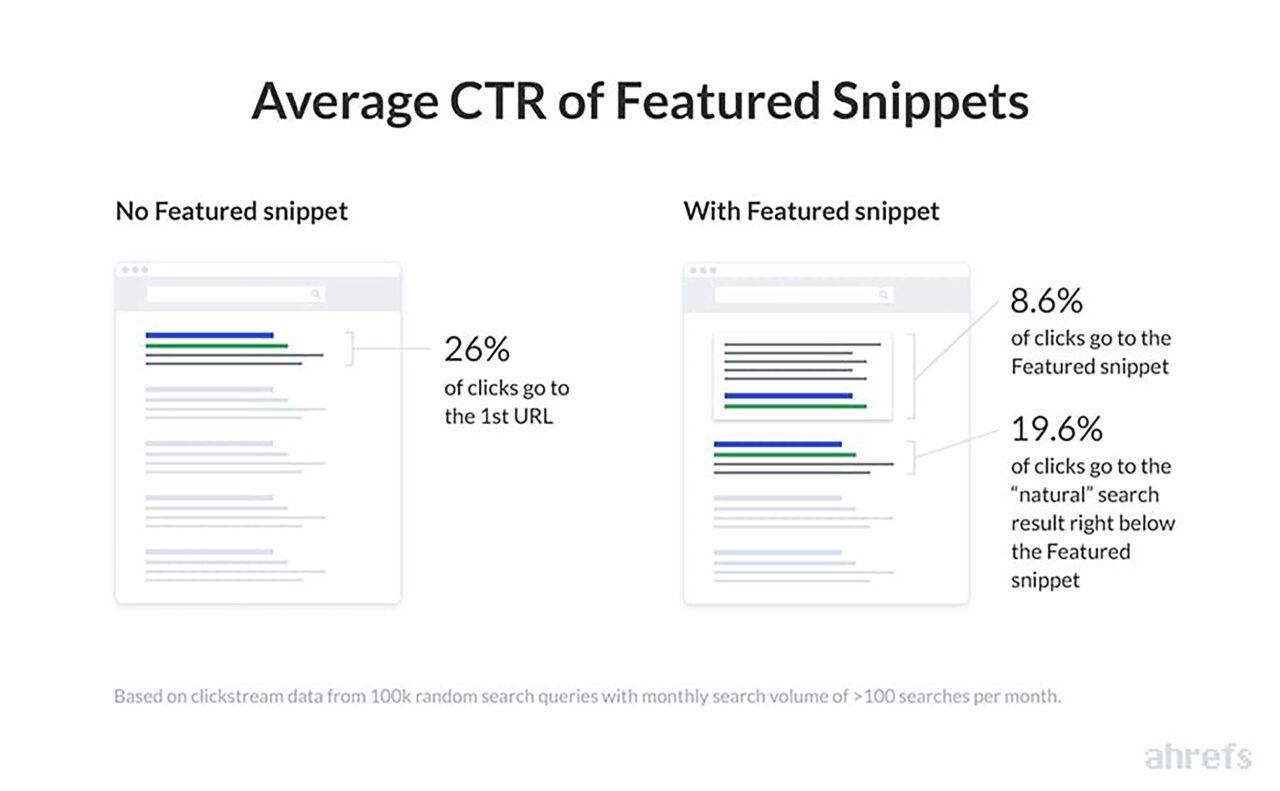
BrightEdge research confirms that pages with structured data earn measurably stronger engagement than equivalent pages publishing similar content without it. Rich result formats attract above-average click-through rates across commercial and informational query types because enhanced displays answer pre-click questions before a searcher even visits the page. The searcher arrives with greater intent alignment, which benefits both conversion rates and the behavioral engagement signals that Google’s systems measure and reward.
Matching Schema Types to the Right SERP Features
Product Schema for Shopping Features
Product schema is among the most commercially powerful structured data investments a brand can make. When implemented with nested offer properties covering price and availability alongside aggregate rating carrying review scores and review count, product markup enables rich shopping results that display key purchase information directly within the organic listing. High-intent purchase queries respond exceptionally well to these displays because they surface the answers buyers need most before commitment.
Completeness is the factor that determines display richness. A product entity that includes name, image, description, brand, offers with price and currency, and aggregate rating with a full count and rating value gives Google every signal it needs to serve the most enhanced version of the result. Thorough implementations consistently earn richer, more prominent displays that attract precisely qualified traffic.
Article and Blog Posting Schema for Editorial Credibility
Article and blog posting schemas communicate the editorial nature and organizational credibility of content directly to search crawlers. These structured data types contribute to how Google evaluates a page for featured snippet selection and AI Overview citation, both of which favor content that presents itself as clearly attributed, well-organized, and actively maintained.
The datePublished and dateModified properties signal freshness and reliability, which carries particular value on topics where current information matters to searchers. Connecting the author property to a Person schema with a verified sameAs URL pointing to an authoritative profile strengthens entity recognition signals across Google’s Knowledge Graph. This entity-level credibility is what knowledge panels and AI retrieval systems draw from when selecting which sources to feature and amplify.
How To and FAQPage Schema for Answer Features
The HowTo schema maps step-based content directly to the list snippet formats. Google serves on procedural queries. Each step property in a well-built The HowTo implementation corresponds to the list items. Google extracts and displays in position-zero placements, which means structured HowTo markup gives a step-by-step guide, a clear, direct pathway to the most prominent position on the results page. Exploring what drives featured snippet placement and how each format performs (How AI-Powered Search Changes Content Optimization Priorities) reveals why How To and FAQPage markup consistently rank among the highest-impact implementations for informational content strategies.
FAQ Page schema makes question-and-answer sections eligible for expanded accordion displays that appear directly on the results page. These placements increase a listing’s visual footprint considerably and offer multiple click points from a single organic position, which compounds the traffic value of content that already ranks well.
Technical Foundations That Support Strong Implementations
JSON-LD Structure and Placement
JSON-LD is Google’s recommended format for structured data and the most scalable implementation approach for content teams managing large page inventories. The markup lives inside a script tag in the page head with a type attribute of application/ld+json, sitting fully separated from visible content. This clean separation means schema can be updated, expanded, and maintained across page types without touching the visible HTML layer.
The context property declares the Schema.org vocabulary. The type property identifies the content category. Every additional property adds a specific, verifiable, machine-readable data point that enriches the entity profile Google builds around the page. Nesting schemas, such as embedding a Person entity within an Article schema to represent the author, builds layered entity relationships that strengthen how Google maps the page within its Knowledge Graph and surfaces it across associated queries.
Required and Recommended Properties
Every schema type within the Schema.org vocabulary carries a clear distinction between properties required for rich result eligibility and properties recommended for enhanced display quality. Meeting the required set establishes eligibility. Building out the recommended properties determines how rich and detailed the resulting display appears to searchers.
| Schema Type | Required Properties | Recommended for Richer Display |
| Product | name, image | offers, aggregate Rating, brand, description |
| Article | headline, image, datePublished | author, date Modified, publisher |
| How-to | name, step | Estimated Cost, total Time, supply, tool |
| FAQ Page | mainEntity, name, acceptedAnswer | — |
| Event | name, startDate | location, organizer, offers, image |
| Local Business | name, address | telephone, opening Hours, geo, price Range |
Investing in the full recommended property set for each content type ensures that every page in the inventory competes for the fullest and most visually prominent version of the rich result available for its category.
Validation as a Quality Checkpoint
Google’s Rich Results Test accepts live URLs and raw code snippets and returns a precise, actionable report of property coverage and eligibility status. Running each new schema implementation through this tool before deployment confirms that the markup is structured correctly and carries all required properties. Google Search Console then serves as the ongoing monitoring layer, surfacing enhancement performance data and coverage metrics for indexed pages at scale. Together, these tools give content and technical teams a complete picture of schema health across the full site.
Schema Markup and AI-Powered Search Visibility
AI-generated overviews now appear prominently on results pages for a wide and growing range of queries, synthesizing answers from multiple trusted sources. The content that earns citation within these summaries is evaluated by the same systems that assess structured data quality for traditional rich results, and the signals that drive both outcomes overlap significantly. Clear entity relationships, accurate authorship attribution, well-organized content hierarchy, and factual precision all contribute to how AI retrieval systems assess a page as a credible and citable source.
Schema markup accelerates this assessment by delivering an explicit entity map rather than relying on contextual inference. A page with a complete article schema covering author identity, organizational affiliation, and publication metadata presents a stronger, more confident source profile to generative AI tools, including Google’s own systems, Perplexity, and other platforms drawing from web content to build answers. Staying well-informed about how AI-powered search is evolving and what it rewards (How AI-Powered Search Changes Your Content Optimization) positions any content team to earn citation and visibility across both traditional and AI-driven search experiences simultaneously.
Building a Schema Workflow That Grows With Your Content
The content teams achieving the strongest, most consistent rich result coverage treat structured data as a standard production layer rather than a periodic optimization project. Building schema templates into the CMS for each content type means every new page in a category inherits the correct markup automatically, which keeps coverage comprehensive as the content inventory grows.
A sustainable schema workflow maps the full content inventory to its corresponding schema types, implements markup at the template level so production scales cleanly, and includes a recurring validation cycle that maintains property accuracy across all active page types. Bringing complete, accurate property data to every page in that workflow gives each piece of content the structured foundation it needs to earn enhanced SERP placements, build entity authority over time, and deliver compounding returns in click-through rate, engagement quality, and search visibility across every query type the brand targets.