Every time someone types a question into Google, the search engine makes a rapid decision about whether any single page on the web deserves a special spotlight, an answer box pulled to the very top of the results page, sitting above every other ranked site. That placement is what the SEO world calls a featured snippet, and earning it is one of the most powerful organic visibility gains available to content creators today.
What makes featured snippet optimization genuinely compelling is how accessible it truly is. Pages sitting at position three, four, or five on the search engine results page can leap straight to position zero simply by being structured the right way, bypassing every other result above them. This guide walks through the four main snippet formats, the content and technical strategies that earn them, and how to hold those positions long after you win them.
The Guide to Google’s Featured Snippets
Understanding Featured Snippets
A featured snippet is a highlighted excerpt that Google automatically extracts from a web page and places inside a dedicated answer box at the very top of search results. Google built this format to reduce the friction between a searcher’s question and a useful answer; rather than requiring someone to click through multiple pages, the algorithm surfaces the clearest, most relevant response it can find and elevates it above everything else on the page.
Benefits of Ranking in Position Zero
Pages that hold snippet positions consistently outperform those that simply rank in the top five, delivering stronger click-through rates, broader brand recognition, and more durable organic traffic over time. Voice assistants also draw their spoken answers almost exclusively from featured snippets in technical SEO, which extends your content’s reach into audio-based search and gives it meaningful presence well beyond what standard organic rankings provide on their own.
Technical Eligibility Basics
One foundational priority worth addressing early: your ability to win snippets is directly tied to how well Google can discover and process your pages. Keeping a close eye on your crawl coverage and indexing health ensures every piece of content you create stays eligible for snippet selection, protecting the investment you put into every other part of this strategy.
Main Snippet Formats
Google uses four main snippet formats, each suited to a different type of query:
- Paragraph snippets: A focused block of text, usually 40 to 50 words, answering a definition or explanation-style question directly
- List snippets: Ordered or unordered items extracted from structured content, used for step-by-step guides and ranked collections
- Table snippets: Comparative data pulled directly from HTML table elements, used for specifications, pricing, or side-by-side breakdowns
- Video snippets: Timestamped clips from embedded video content, most commonly sourced from YouTube
Recognizing which format aligns with your target query is the first and most important decision in any snippet strategy.
Identifying and Targeting High-Value Snippet Opportunities
Starting with Existing Rankings
Featured snippet opportunities are concentrated within queries that carry clear informational intent, searches where someone is looking for a definition, a process, a comparison, or a specific factual answer. Identifying those queries within your content plan is where the strategy takes shape.
Start with what you already have. Open Google Search Console and filter for queries where your pages currently appear in positions two through ten. These pages have already demonstrated strong relevance and authority in Google’s eyes; they are your highest-priority candidates for snippet promotion because the ranking foundation is already in place. The opportunity here is refinement, and the path to position zero from those rankings is shorter than it may appear.
Targeting Question-Based Long-Tail Queries
From there, broaden your keyword targeting toward question-based, long-tail queries. Research consistently shows that the vast majority of featured snippets appear for longer, more conversational search terms rather than short head keywords. Phrases structured as “how to,” “what is,” “why does,” “steps to,” and “what are the best” generate answer boxes far more reliably than brief two-word terms. The more precisely your content reflects how a real person phrases a question, the stronger the opportunity for Google to select it as the answer.
Using People Also Ask and Internal Search Data
The People Also Ask boxes inside Google’s results are one of the most underused tools for this kind of targeting. Every question inside a PAA box represents an active query where Google has already determined an answer-box format is appropriate. Expanding those boxes and collecting the related questions gives you a ready-made list of high-intent subtopics to incorporate into your content. This intent-led approach pairs especially well with adding structured data to your key pages which sharpens how Google reads and categorizes your content across multiple SERP features simultaneously.
Your own site’s internal search data is another valuable source worth exploring. The queries your visitors type into your on-site search function reveal exactly where your audience is looking for answers your content can provide. Those query patterns tend to align closely with what those same visitors are typing into Google, making them strong, ready-to-use snippet targets.
How to Format Content So Google Selects and Displays It
Answer the Question Immediately
Targeting the right keywords gets your content into the right conversations. Formatting is what determines whether Google selects your specific answer for the snippet box. These are two separate and equally important decisions, and investing in both gives your pages a meaningful structural advantage.
The single most important formatting principle for featured snippet optimization is answering the question immediately. The very first sentence beneath a relevant subheading should deliver the complete, clear answer. Google evaluates the content directly beneath a heading as the primary candidate for extraction, and it consistently favors the page that communicates the clearest response with the least delay.
Optimize Heading Structure
Heading structure plays a central role in how Google maps queries to your content. When a subheading closely mirrors the phrasing of a target search query, for example, “What Is a Featured Snippet,” the algorithm can confidently match that heading to the user’s question and extract the paragraph beneath it as a candidate response. Descriptive, query-aligned headings build that mapping signal precisely and deliberately, making it straightforward for Google to understand exactly what each section of your content addresses.
Best Practices for Lists and Tables
For list-format snippets, the structure needs to be semantically correct as well as visually organized. Using actual ordered or unordered HTML list elements, rather than embedding a sequence inside a long paragraph gives Google the clean, extractable format it needs. Pairing each list item with a brief explanation also helps, because Google frequently pulls that supporting context into the snippet to make the result more informative and complete for the reader.
Table snippets work best when comparison data lives inside genuine HTML table markup with clearly labeled column headers. Structuring your data this way gives Google’s crawlers a clean, machine-readable format to extract, making your content a strong and reliable candidate for table snippet selection. The more accurately your underlying markup reflects the visual structure of the table, the more confidently Google can use it.
Writing Style for Paragraph Snippets
For definition and explanation queries, writing with objectivity and precision is essential. Google selects factual, reference-quality answers for paragraph snippet positions, the kind of clear, specific language you would find in a well-written encyclopedia entry. Placing any qualifications or nuances in the paragraph that follows the core definition keeps the primary statement clean and extraction-ready while still providing the full context your reader needs.
The Technical Foundation That Strengthens Your Snippet Eligibility
Crawl Accessibility
Strong content formatting is the most visible part of snippet optimization, but the technical layer beneath your pages shapes whether Google can successfully access, render, and evaluate them for snippet selection.
Snippet eligibility begins at the crawl level. Google needs to fully access and render your pages before it can extract any content from them. Maintaining a clean crawl environment with well-configured robots.txt files, efficient JavaScript rendering, and a properly managed crawl budget keeps every page on your site accessible and ready for evaluation. When an SEO company has the right server-level and configuration access to work through technical settings, redirect chains, and response headers, that infrastructure stays optimized and consistently supports your snippet eligibility across the board.
Schema Markup Implementation
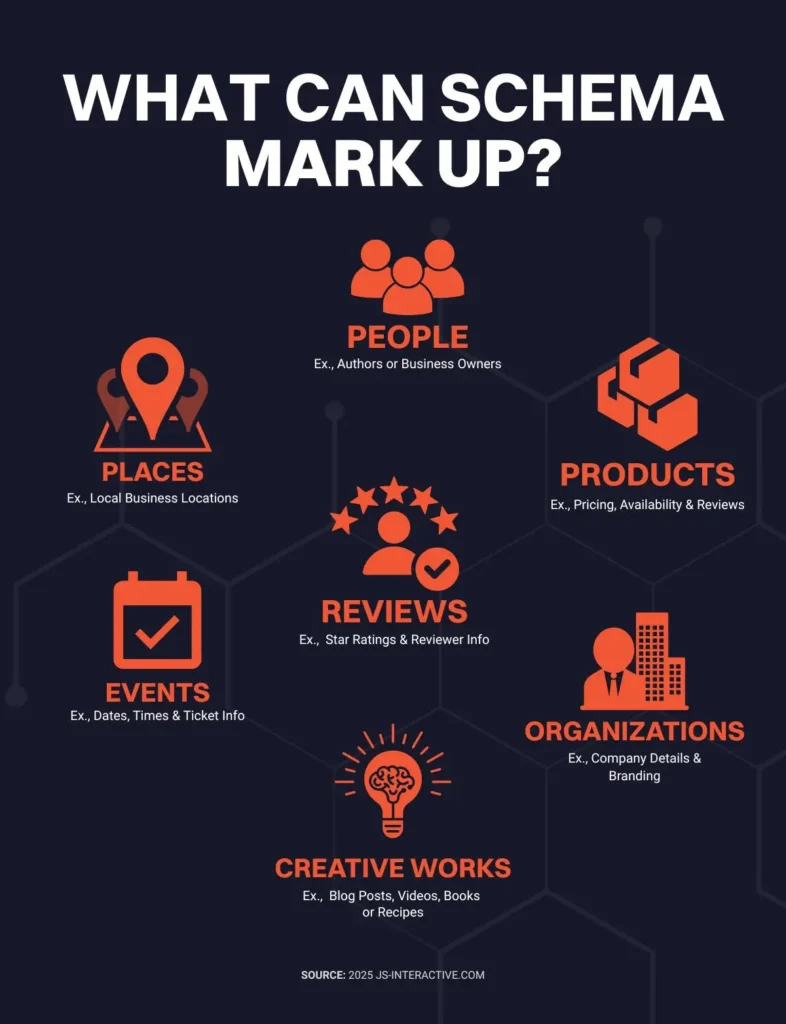
Schema markup adds a meaningful layer of semantic clarity for Google’s algorithm. Implementing HowTo schema on process-driven articles, FAQ schema on question-and-answer sections, and article schema on editorial content gives Google precise context about what each section of your page represents. This clarity strengthens your eligibility across multiple structured SERP features at once, broadening your visibility well beyond the specific snippet position you are actively targeting.
Page Speed and URL Structure
Page speed and Core Web Vitals performance also contributes in a meaningful way. Fast-loading, well-rendered pages hold stronger positions across search features consistently, expanding the pool of eligible content Google considers when selecting a snippet. Clean, keyword-aligned URLs kept within two to three directory levels of your root domain further reinforce your pages’ crawl priority, another quiet but consistent signal that supports long-term snippet performance.
How to Monitor Performance and Build on Every Snippet Win
Tracking in Google Search Console
Snippet positions are dynamic, and Google reassesses its selections continuously. Building a monitoring routine into your workflow is what turns a single snippet win into a growing, reliable source of organic visibility over time.
Google Search Console provides the baseline data you need to start. Filtering your query data by target keywords and identifying average positions reported at “1” alongside strong click-through rates confirms that a snippet is active and performing well. Watching those signals over time gives you both confidence in your wins and early awareness when an opportunity to strengthen a position arises.
Using Third-Party Tools
Platforms like Semrush and Ahrefs provide more granular, real-time tracking. Their rank monitoring tools send alerts when snippet positions shift, give you clear visibility into which URLs are driving placement, and surface fresh opportunities within your tracked keyword set as they emerge. Configuring those alerts for your core snippet-driving keywords means your team stays informed and responsive rather than catching changes weeks into a reporting cycle.
Content Freshness Strategy
Content freshness is one of the most underrated factors in long-term snippet retention. Refreshing your highest-value snippet pages on a quarterly cycle and updating statistics, examples, and structural formatting where needed keeps those pages competitive and relevant well past their original publication date. That kind of proactive site health and content upkeep turns each snippet win into a compounding, durable traffic asset rather than a temporary gain.
Continuous Learning
Deepening your understanding of how answer boxes and SERP features work strategically and staying aware of the formatting and optimization patterns that determine long-term snippet success keeps your decisions grounded in what consistently drives measurable results.
Developing a Scalable Featured Snippet Framework
Getting your content featured in Google snippets comes down to three things working together in alignment, including precise query targeting, deliberate content formatting, and a strong technical infrastructure supporting both.
When you focus on queries where your pages already rank competitively, you are choosing targets that are genuinely within reach and well-suited to your current authority. When you structure your answers to be immediate, objective, and format-matched to the snippet type you are pursuing, you give Google exactly what it needs to confidently select your page. When you keep your technical foundation well-maintained, your schema implemented correctly, and your content refreshed on a consistent schedule, you build on every win and grow your snippet presence steadily over time.
Position zero belongs to whichever page answers the question most clearly, most usefully, and most directly. That is a standard any focused, well-organized content team can meet and keep raising.