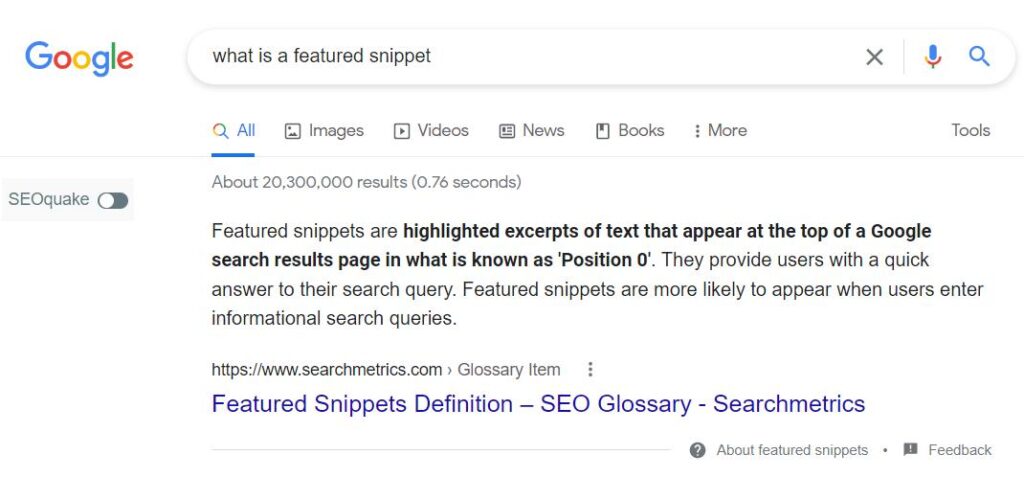
Google rewards one thing above everything else, and that is clarity. The pages that earn a featured snippet position are the pages that answer a specific question better than anything else available in search. When your content delivers that answer cleanly, directly, and with genuine depth, Google selects it and places it at the very top of results. That top position earns more attention, more clicks, and more brand recognition than any other placement on the page.
This guide is built around how real search intent works today and what content teams can do to structure content for maximum search visibility in a way that produces lasting results.
Understanding What Google Is Actually Trying to Do
Google Acts as an Editor Selecting the Best Answer
The entire purpose of a featured snippet is to give a searcher the clearest possible answer the moment they land on the results page. Google evaluates available content, selects the most useful excerpt, and displays it inside a prominent box at the top of results. That excerpt can take the form of a short paragraph, a numbered walkthrough, a bulleted list, or a comparison table, and the format always depends on what the searcher asked.
Understanding this editorial role changes how you approach writing. Your job is to make Google’s selection decision straightforward by giving it a well-structured, clearly framed, accurate answer it can confidently surface for the right queries.
Why Earning This Position Pays Off So Strongly
Pages that hold a snippet position receive a distinctly different kind of attention than pages ranked below them. Research from BrightEdge shows that snippet holders generate meaningfully higher engagement than standard organic results. First Page Sage data points to click-through rates two to three times higher for snippet-holding pages compared to the first standard organic listing for the same query.
The compounding benefit reaches beyond clicks. Every time a searcher sees your content answer their question at the very top of results, they associate your brand with authority and expertise. Repeated exposure across multiple queries accelerates brand recognition and builds credibility at a pace that mid-page placements simply take longer to achieve.
The Three Snippet Formats and What Earns Each One
Paragraph Snippets Reward Explanatory Writing
Questions phrased with “what is,” “why does,” or “how does” almost always trigger paragraph snippets in search results. Google looks for two to four sentences that answer the question directly, written in accessible language, with the core answer placed in the very first line.
The most effective approach for writers is to front-load every answer section. When a heading poses a question, the paragraph directly beneath it should open with the answer immediately. Google extracts content from the top of sections, so leading with the answer gives your content the strongest possible positioning for selection.
List Snippets Serve the How-To Audience Exceptionally Well
Searchers looking for a process, a set of steps, or a collection of options trigger list-format snippets. Queries phrased as “how to optimize,” “steps to improve,” or “ways to increase” consistently produce numbered or bulleted list snippets in the results.
Strong list snippet content relies on both the quality of the writing and the quality of the HTML structure behind it. Using proper ordered list tags for sequential steps and unordered list tags for non-sequential options tells Google that the content is formatted and ready for extraction. Each list item carries its own meaning while connecting logically to the full sequence around it.
Table Snippets Capture the Comparison Searcher
Searchers who want to compare options, evaluate specifications, or understand differences across multiple variables represent the table snippet audience. Google recognizes comparison intent actively and pulls well-structured table content directly into results.
| Snippet Format | Content Type | Common Query Phrasing |
| Paragraph | Definition or explanation | “What is,” “Why does,” “How does” |
| Numbered List | Sequential steps or process | “How to,” “Steps to,” “Guide to” |
| Bulleted List | Features, tips, or options | “Best ways,” “Types of,” “Examples of” |
| Table | Comparisons or specifications | “Compare,” “Difference between,” “Which is better” |
Using genuine HTML table markup for comparison content gives Google the clearest possible signal that this data is organized, reliable, and ready to extract.
How to Write Content That Google Actively Selects
Research the Questions Real Searchers Are Asking
Powerful snippet-eligible content begins with research. Spending time in Google’s “People also ask” results, scrolling through autocomplete suggestions, and using tools like Also Asked to map the full question ecosystem around your topic gives you a precise picture of what real people want to know.
The language searchers use in their queries often differs from the language an industry uses internally. Content that mirrors actual searcher phrasing earns a structural alignment advantage because it matches both the query and the intent at the same time, making Google’s selection decision much more straightforward.
Target the 40 to 60 Word Answer Paragraph Range
Amsive research into selected featured snippet characteristics found that paragraph snippets consistently fall between 40 and 60 words. Answer paragraphs written in this range give Google a complete, well-sized block to evaluate: substantive enough to carry genuine value, concise enough to display cleanly inside the snippet box.
Developing the habit of writing answer-first paragraphs in this range is one of the most consistent and measurable structural improvements a content team can build into their process of technical SEO.
Frame Every Heading as a Direct Answer Signal
Every H2 and H3 on your page presents an opportunity to match a real searcher query. Headings phrased as questions or as clear statements of what the section answers tell Google exactly what that section is for. Organizing your full page structure this way makes every section independently eligible for snippet extraction rather than leaving Google to guess which parts are most relevant.
The On-Page Foundation That Makes Snippet Wins Possible
Page Authority Is the Essential Starting Point
Google selects snippets from pages it already trusts for a given query. The pages that hold snippet positions have typically earned first-page rankings first, and the snippet recognition follows from that established trust. Snippet optimization delivers the strongest results as a refinement layer applied on top of content that already holds solid search visibility.
Knowing how to get content featured in Google Snippets starts with building the foundational authority that earns Google’s trust for a query before any structural optimization can take full effect.
Schema Markup Strengthens the Signal Google Receives
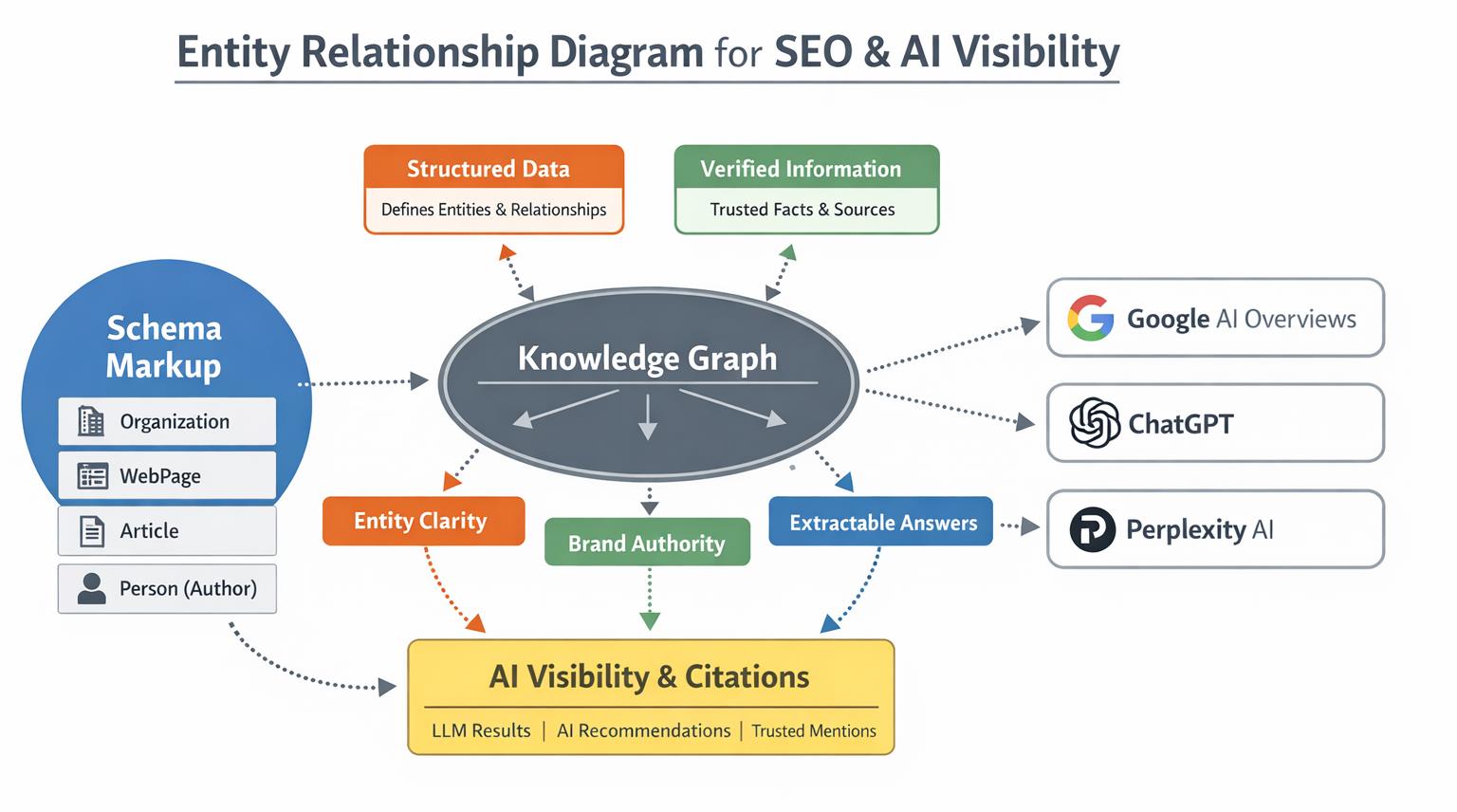
Structured data adds a machine-readable layer that reinforces what your human-readable content already communicates. FAQ schema applied to question-and-answer sections, HowTo schema applied to step-by-step content, and Article schema applied to editorial writing each help Google categorize your content accurately and match it to the right queries with greater confidence.
When machine-readable markup and human-readable content say the same thing, Google receives a strong, consistent signal about what each section of your page accomplishes and which search queries it serves best.
Internal Linking Creates the Topical Depth Snippets Reward
Featured snippets favor pages embedded in a well-connected content ecosystem. Pages linked to related content on the same topic carry stronger authority signals because Google reads those connections as evidence of genuine topical depth and expertise.
Building internal links between related content pieces, using anchor text that reflects the actual subject of the destination page, lifts the authority of every page in the cluster. Google responds to that interconnected structure by elevating the pages within it, and snippet selection naturally follows stronger authority signals.
How to Track Snippet Performance and Keep Growing It
Search Console Reveals Exactly Where Opportunity Lives
Google Search Console delivers query-level data that shows precisely where your pages generate strong impressions alongside opportunities to improve click-through rates. Pages with high impression counts and room to grow on clicks often signal that a snippet position is within reach and that a structural refinement could close the gap.
Filtering Search Console queries by terms that include “how,” “what,” “why,” or “steps” isolates the question-based queries most likely to trigger featured snippets. That filtered list becomes a prioritized rewrite plan grounded in real performance data rather than assumptions.
Refining Existing Pages Delivers Results Faster Than Starting Fresh
Existing pages that already hold first-page rankings for relevant queries represent the most productive optimization targets available. Reviewing those pages for answer paragraph placement, heading clarity, list structure, and word count in key answer sections reveals specific improvements that a focused rewrite can deliver quickly.
Maintaining organic stability throughout any structural update process matters as much as the improvements themselves. Understanding the steps to recover and protect organic visibility after major site changes gives your team the confidence to move decisively while keeping performance strong.
Writing With Readers in Mind Earns Google’s Recognition
The content teams that earn featured snippets consistently share one central approach: they write for the reader first and let the structural signals follow naturally from that clarity. Answer-first paragraphs, well-framed headings, and purposeful use of lists and tables—all of these practices produce snippet-eligible content precisely because they make information genuinely accessible and easy to understand.
Content built around serving the reader’s actual need earns both the reader’s trust and Google’s selection. The teams that build this practice into every piece they publish find that snippet wins accumulate steadily, authority compounds across their full content library, and the results strengthen with every new piece added to the ecosystem.