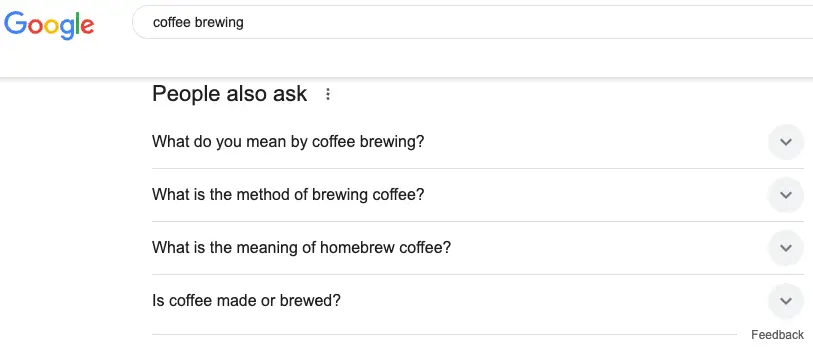
Most content teams spend months chasing a position-one ranking, and the moment they get there, they realize something. The spot directly above them, sitting in a clean expandable box with a brand name attached and a direct link to a page, belongs to someone else. That is a People Also Ask placement, and it is generating clicks from the same query without needing the top organic position to do it. PAA panels appear on the overwhelming majority of Google searches today, and each question inside one links to a source page with a title, a domain, and a live click path into that content. Brands who have learned to target these placements deliberately are collecting multiple high-visibility entry points from pages that may not even rank in the top three. If your content strategy is already built around earning strong positions across the full results page, adding PAA as a focused targeting layer is one of the highest-return moves available right now.
What the People Also Ask Panel Actually Is
How Google Builds It and Why It Appears
The People Also Ask panel is not editorial. Google builds it algorithmically by analyzing the search behavior of millions of users across a topic area. When large volumes of searchers consistently ask a set of follow-up questions after a primary query, Google recognizes those follow-ups as part of the same intent cluster and surfaces them proactively so the searcher does not have to reformulate and retype each one manually.
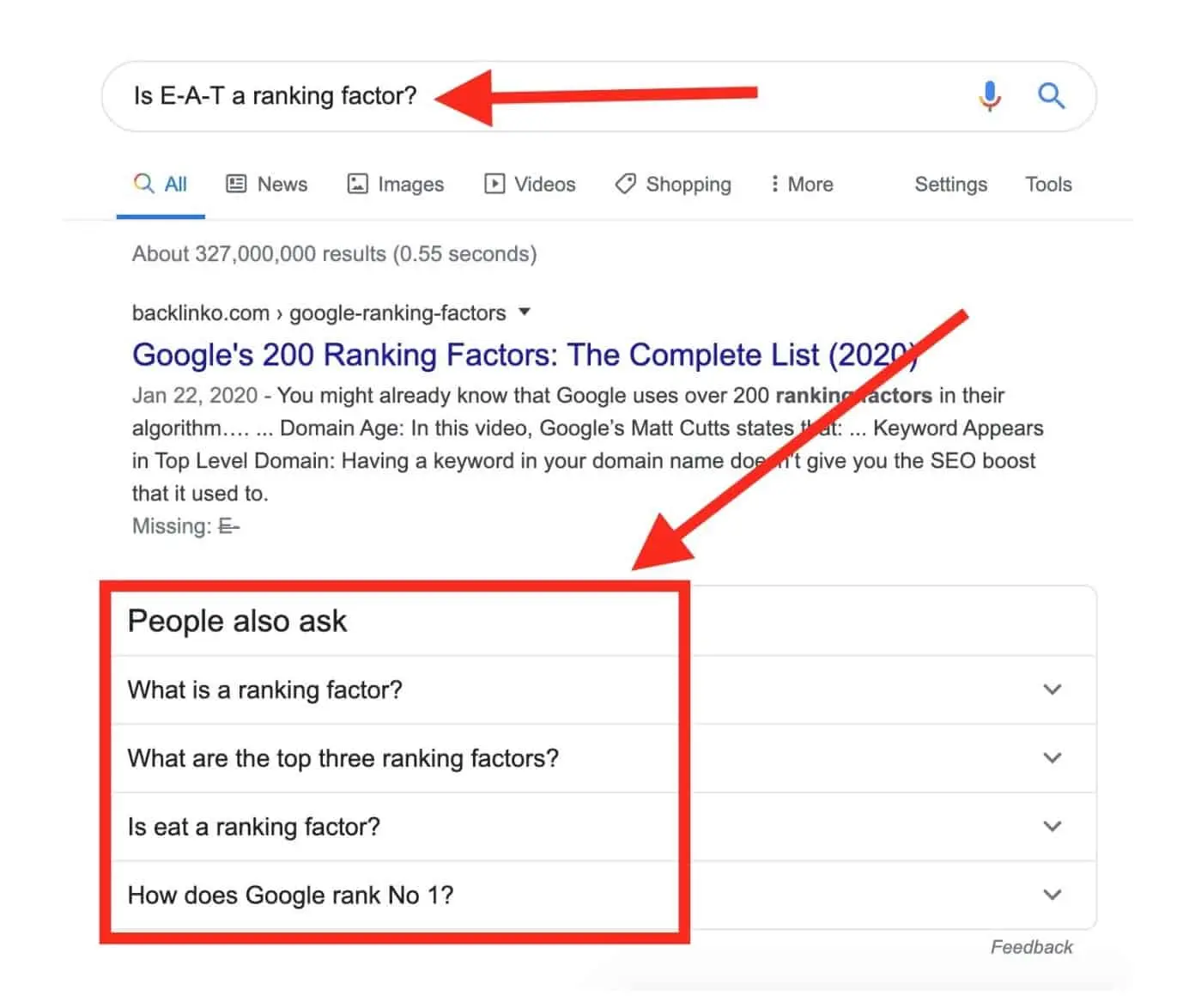
This makes the PAA panel something genuinely valuable for content teams beyond just a traffic opportunity. Every question inside it is a verified, high-frequency signal of what your target audience wants to know next in the sequence they naturally explore a topic. Reading the full PAA panel for your primary keywords gives you a live, data-backed map of your audience’s curiosity, assembled by Google’s own systems from real search behavior at scale.
The Dynamic Expansion That Makes PAA So Powerful
When a searcher expands any question inside the PAA panel, Google loads a new set of related questions beneath it. This cascading behavior means the panel can grow to dozens of entries from a single interaction, pulling from a widening radius of related intent as the searcher explores. Semrush research shows PAA panels appearing on well over 40 percent of all Google search results, with that share climbing higher across informational and research-driven query types where audience curiosity naturally branches across multiple connected questions.
Why PAA Placements Deliver Real, Compounding Traffic Value
Two Visible Entry Points From One Page
A standard organic ranking gives a page one entry point on the results page. A PAA placement gives that same page a second one, often sitting higher in the visual layout than the organic listing itself. When a single page earns both placements for the same query cluster, the searcher encounters that brand twice within a single scroll. That double presence increases click probability significantly and builds brand recognition even among users who do not click on either placement immediately.
Traffic That Stacks Across Multiple Queries
The compounding value of PAA comes from its ability to trigger across many different queries simultaneously. A page that covers a topic comprehensively and answers multiple related questions within the same intent cluster can earn PAA placements across dozens of query variations at once. Each of those placements is a separate impression, a separate click opportunity, and a separate engagement signal feeding back into the broader authority profile Google builds around the page over time.
Here is what that compounding effect looks like in practice:
- A page answering six related questions within a single topic earns six simultaneous PAA entry points across six different search triggers.
- Each PAA visitor arrives mid-research, which produces stronger dwell time and engagement behavior than passive browsing traffic.
- Those engagement signals reinforce the page’s authority signals, which strengthens its performance across the full keyword cluster it targets over time.
How Google Decides Which Pages Win PAA
The Structural Pattern Google Rewards
Google’s PAA selection process consistently favors pages that make the answer immediately findable. The pages earning PAA placements most reliably share a structural pattern that any content team can learn and apply from the first draft of every piece they write.
The section heading states the question directly. The first sentence of the answer delivers the response clearly and without preamble. The following two to three sentences expand on that response with supporting context and relevant detail. This structure gives Google a clean, confident extraction signal because the mapping between question and answer is explicit at every level of the page architecture. Studying how answer-first content structure earns featured placements across Google’s results show, revealing how this same principle applies consistently across PAA, featured snippets, and AI-generated overviews simultaneously.
The answer length Google most frequently selects for PAA display falls in the 40 to 55 word range. This is long enough to give the searcher a complete, satisfying response but short enough to display cleanly inside the expanded panel. Writing the core answer within this range before expanding into fuller supporting detail beneath it is one of the most actionable structural adjustments available for improving PAA selection rates.
Why Exact Question Wording Matters
The precise language Google uses for a PAA question carries meaningful signal for how you should frame your content. When Google displays a specific question phrasing in the panel, it reflects the most common way searchers across a large sample have articulated that query. Using that exact phrasing in your section heading and echoing it in your opening answer sentence creates a direct alignment between your content structure and the extraction pattern Google applies when selecting PAA answers.
Searching your primary keywords and reading the exact wording of every PAA question in the panel gives you validated, high-frequency language your audience is already using. Building your section headings around that language strengthens the match signal in a way that paraphrased or reworded versions simply do not achieve.
Researching PAA Opportunities Before You Write
Mapping the Full Question Cluster
Effective PAA research means going well beyond the first four questions visible in the panel before the page loads. The full intent cluster around any topic extends across dozens of branching questions, and mapping that cluster before drafting gives your content a comprehensive picture of every PAA opportunity within the topic area rather than targeting a narrow slice of it.
These tools make that research thorough and efficient:
- AlsoAsked builds visual branching maps of PAA question clusters, showing exactly how questions relate to each other and how deep the cluster extends from any starting query.
- AnswerThePublic surfaces question formats across what, how, why, when, which, and who categories, giving a broad landscape view of the full question set around any topic.
- Google Search Console reveals which question-format queries are already generating impressions for your existing pages, surfacing PAA placements already in motion and pointing toward new questions worth addressing.
- Semrush and Ahrefs both surface PAA presence data at the keyword level, identifying which target queries trigger panels and which questions appear most consistently across related searches.
Prioritizing Questions With the Strongest PAA Presence
Not every question in a PAA cluster carries equal traffic value. Questions appearing consistently across multiple related queries within the same intent cluster represent the highest-priority targets because winning them earns placements across a broader range of search triggers simultaneously. Identifying these high-frequency, cross-query questions and addressing them early in the content structure concentrates optimization effort where the compounding return is greatest.
Writing Content That Consistently Earns PAA Selection
Build Each Section as a Complete Answer Unit
The most reliable content structure for PAA optimization treats every major section of a page as a self-contained answer unit built around one clearly framed question. The heading announces the question. The opening paragraph answers it directly and concisely. The rest of the section adds the supporting depth that demonstrates topical authority to both the reader and the search system evaluating the page.
This architecture works because it serves two audiences at once. Human readers get a page that is genuinely easy to scan because every section announces its purpose clearly from the heading. Google’s extraction systems get a page where the relationship between question and answer is explicit and unambiguous at every level, which makes selection confident and consistent. Understanding how the most visible content formats are structured to win placements across answer-driven search results (How to Structure Your Content for Featured Snippets) gives content teams a model they can apply across every format they produce.
Cover the Full Cluster on a Single Page
A page addressing multiple related questions within one intent cluster is a stronger PAA candidate than a narrowly focused page targeting only the primary keyword. Google draws PAA answers from a wide range of positions and page types rather than exclusively from top-ranking pages, which means a page at position six that answers five related questions with strong structural clarity will regularly earn PAA placements even while sitting well below stronger organic competitors.
The approach that makes this work consistently looks like this:
- Map the full PAA question cluster for the primary topic before drafting begins.
- Select the five to eight questions with the strongest presence across related queries within the cluster.
- Build a dedicated answer section for each one, following the question-first structure throughout.
- Write each core answer within the 40 to 55 word range before expanding into supporting detail beneath it.
Applying this approach consistently produces pages that earn PAA placements across a broad range of query triggers at once, which multiplies the traffic return on every piece of content the team produces.
Tracking PAA Performance and Expanding Coverage Over Time
Using Search Console to Find PAA Wins Already in Motion
Google Search Console surfaces the query-level data that reveals PAA performance clearly. Filtering the performance report by question-format queries containing words like “what,” “how,” “why,” “when,” and “which,” then identifying queries where impression volume is growing while average position remains stable or lower, frequently uncovers PAA placements already generating visibility outside the standard organic ranking column.
Pages showing strong impression growth on question-format queries with stable positions are strong candidates for targeted expansion. Refining or adding answer sections for the specific questions driving those impressions gives those pages a sharper signal for continued and growing PAA selection.
Growing Coverage as the Panel Evolves
The PAA panel updates continuously as search behavior shifts, and new questions enter the cluster around target queries regularly. Content teams that revisit their PAA research every quarter, expand their pages to address newly surfaced questions, and refresh existing answers to reflect current phrasing patterns hold their placements as the panel evolves and grow their coverage as the audience’s question set expands over time.
Staying current on how Google’s intent-driven search features evolve and reward well-structured content turns PAA optimization from a one-time effort into a compounding content asset that grows stronger with every review cycle. The brands holding the most PAA placements consistently are the ones who treat this panel as a living map of their audience’s curiosity and build content generous and precise enough to answer every question on it.