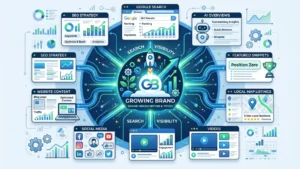
Open Google right now, and the results page you see is a rich, layered experience built from multiple content formats sitting above, around, and between the standard organic links. Answer boxes pull exact responses from trusted pages. Map packs serve local businesses at the precise moment intent is highest. Image carousels bring visual answers to product and inspiration queries. AI-generated summaries synthesize knowledge from across the web in seconds. Every one of these elements is a SERP feature, and every one of them represents a distinct opportunity to earn visibility beyond a standard ranking position.
Brands that build their content strategy around understanding indexed pages and why they matter for search visibility gain access to the full range of feature placements Google offers. That foundation is where every SERP feature win begins.
What SERP Features Are and Why They Changed Everything
From a List of Links to a Multi-Format Results Page
A SERP feature is any search result element that goes beyond the traditional ten organic blue links. Google introduced these features to serve searchers more efficiently, matching specific content formats to specific query intents so that the answer a user needs appears in the most useful form possible.
The range of formats is broad and growing. A searcher asking a definitional question receives a featured snippet paragraph. A searcher looking for step-by-step guidance sees a numbered list result. A searcher comparing two products encounters a table snippet or an image carousel. A searcher with local intent finds a map pack with three business listings. A searcher exploring a broad topic receives an AI overview synthesizing multiple sources. Each format serves a distinct intent, and each carries its own pathway to earning selection.
The Structural Advantage SERP Features Create
Standard organic rankings build primarily on domain authority, backlink profiles, and accumulated content trust signals over time. SERP features respond with greater immediacy to content structure, schema markup, and query alignment, all of which a site can improve and refine on a defined timeline.
This structural dynamic creates a significant opportunity. A brand with well-organized, clearly written, semantically rich content can earn featured snippet, People Also Ask, and image pack placements ahead of competitors with higher overall domain authority. BrightEdge research confirms that SERP features appear across the majority of commercial and informational search results, which makes feature optimization a central search strategy priority rather than an optional enhancement.
The Core SERP Features and What Earns Each One
Featured Snippets: Position Zero on Every Eligible Query
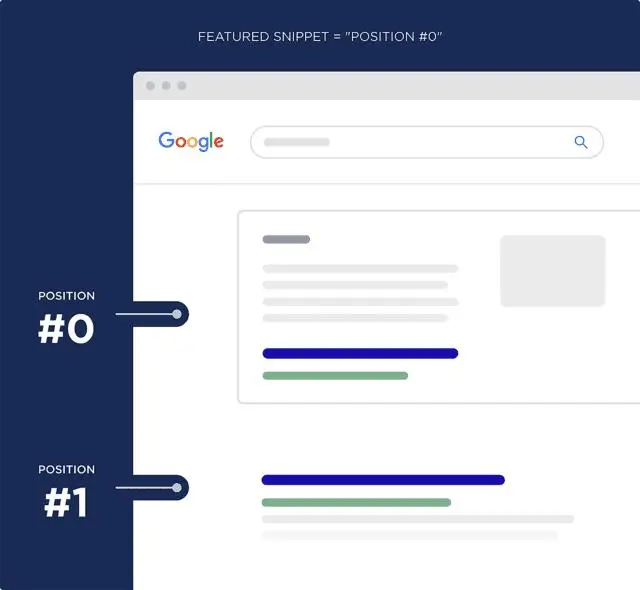
The featured snippet occupies the most prominent position on the results page, sitting above all organic listings inside a dedicated answer box. Google pulls content directly from a specific page and displays it as a paragraph, a numbered list, or a comparison table depending on query type.
Pages that earn featured snippet selection share a clear set of characteristics. They open answer sections with the direct response in the very first sentence. They use heading structure to frame each section around a specific question. They keep core answer paragraphs in the 40 to 60 word range that Google consistently selects. Understanding the full picture of rich snippets and featured snippets and how they each work equips content teams to pursue both formats with the right structural approach for each.
People Also Ask: The Question Expansion Panel
The People Also Ask panel appears on the overwhelming majority of informational queries and presents a set of expandable questions related to the original search. Each expanded answer links directly to the source page, creating a high-visibility secondary placement that rewards content teams who write with sub-question alignment in mind.
The key to earning these placements is writing sections that address the adjacent questions a searcher is likely to have after their primary query. Studying how Google’s People Also Ask panel surfaces content from ranked pages shows that answer sections written with direct, concise responses to specific sub-questions earn PAA selection at much higher rates than content written only around the primary keyword phrase.
Knowledge Panels: Entity Recognition and Brand Authority
Knowledge panels appear on the right side of desktop results for entities Google has recognized in its Knowledge Graph. These entities include brands, public figures, organizations, and products that have established sufficient structured data signals across the web.
Google builds knowledge panel content from Schema.org markup, Google Business Profiles, authoritative reference sources, and other structured data inputs. A well-populated knowledge panel communicates brand credibility to every searcher who queries your name and signals to Google that your entity is established, trustworthy, and worth surfacing prominently across relevant queries.
Local Pack: Map Results at the Moment of Highest Intent
The local pack displays three business listings alongside a Google Maps section for queries with clear local intent. These placements carry exceptional commercial value because they appear precisely when a searcher is ready to visit, call, or purchase from a nearby business.
Google evaluates local pack eligibility through Google Business Profile completeness, review volume and quality, citation consistency across directories, and geographic proximity to the searcher. Businesses that maintain comprehensive, accurate profiles with strong review signals compete for these placements effectively across their target service areas.
Image Packs and Video Carousels: Visual Formats That Earn Attention
Image packs appear inline within results when Google recognizes that visual content delivers a better answer than text for a given query. Video carousels surface YouTube and other video content for queries where demonstration, tutorial, or entertainment content serves the searcher’s intent most effectively.
Images earn inclusion through descriptive file names, well-crafted alt attributes, proper structured data markup, and placement on pages with strong topical relevance. Videos earn carousel placement through strong engagement signals, keyword-aligned titles and descriptions, and compelling thumbnails. Both formats give content teams additional high-visibility placements to compete for beyond the standard text result.
AI Overviews: The Most Dynamic Feature in Search Today
AI Overviews generate synthesized answers drawn from multiple sources and display them at the very top of results for a growing range of queries. This feature represents the clearest signal of where Google’s search experience is heading, and staying current on how AI-powered search changes content optimization priorities (How AI-Powered Search Changes Your Content Optimization) gives content teams the strategic foundation to compete in this evolving landscape.
Content that earns citation in AI Overviews shares the same qualities that earn featured snippets: authoritative sourcing, well-structured presentation, topical depth, and clear, direct language. Strong content fundamentals deliver returns across multiple feature types simultaneously, which makes investing in quality a high-leverage strategy for any brand building long-term search visibility.
How SERP Features Redistribute Clicks and Traffic
Understanding the Click Opportunity Across Features
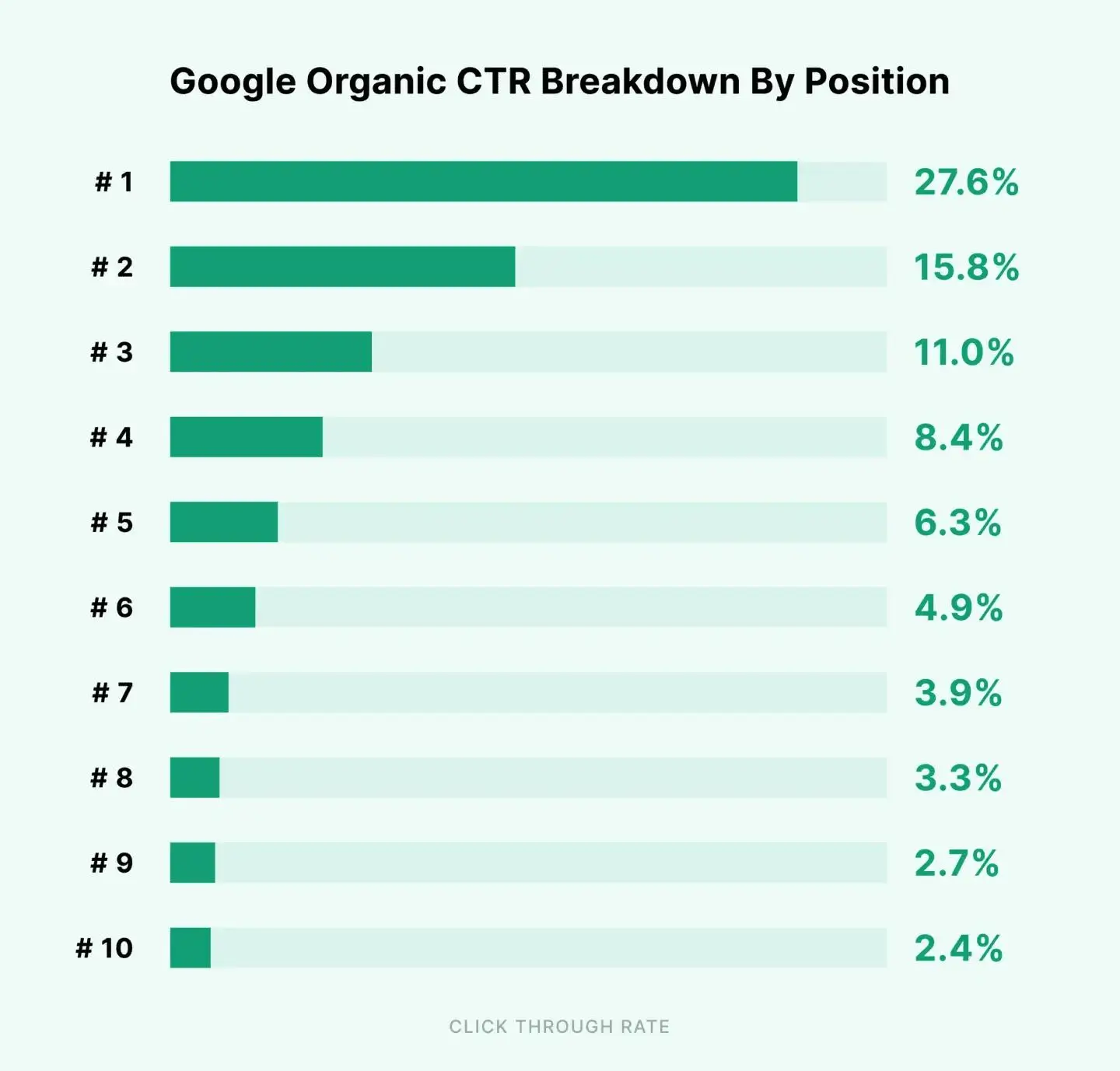
The presence of SERP features reshapes how clicks distribute across the results page in ways that reward feature-optimized content. Research from First Page Sage and Sistrix shows that featured snippet positions generate click-through rates substantially above standard positions. One result for many query types. Local pack placements capture a dominant share of clicks on local intent queries. Image packs attract users toward visual content with strong engagement patterns.
| SERP Feature | Primary Query Type | Primary Optimization Signal |
| Featured Snippet | Informational, how-to | Answer structure, 40 to 60 word range, headings |
| People Also Ask | Informational, research | Sub-question alignment, concise direct answers |
| Knowledge Panel | Brand, entity | Schema.org markup, Google Business Profile |
| Local Pack | Local, transactional | Business Profile completeness, reviews, citations |
| Image Pack | Visual, product | Alt attributes, structured data, page relevance |
| Video Carousel | How-to, entertainment | Title keywords, engagement signals, thumbnail |
| AI Overview | Broad informational | Topical authority, multi-source credibility |
Matching Content Investment to Feature Opportunity
SERP features appear most consistently on informational and transactional queries, with commercial and navigational queries returning more standard organic results. Identifying which features appear for your specific target queries before investing in optimization ensures effort concentrates where real placements are available.
Semrush position tracking delivers query-level feature visibility data that shows which features are active for specific keywords and how they shift over time. This data transforms SERP feature optimization from a broad aspiration into a prioritized, measurable activity grounded in real search results.
How to Build Content That Qualifies for SERP Features
Schema Markup Creates the Technical Foundation Every Feature Needs
Structured data in Schema.org format communicates content type, entity relationships, and structural information directly to Google’s crawlers. FAQ schema makes question-and-answer content eligible for expandable search results. Product schema enables review stars, pricing, and availability displays in shopping results. How To schema aligns step-by-step content with list snippet formats. Article schema clarifies editorial content for news and knowledge panels.
Implementing the schema type that matches each content format on your site sends Google a precise, reliable signal about what each page contains and which feature formats it belongs in. The return on well-implemented structured data extends across multiple feature types and compounds as the site grows in technical SEO SERP analysis.
Page and Content Structure Determine Feature Eligibility
The architectural organization of a page is one of the most direct levers a content team holds over SERP feature eligibility. Pages organized into clearly framed heading sections with direct answer paragraphs beneath each heading are structurally ready for featured snippet and PAA selection. Pages using proper list markup for procedural content are ready for list snippet extraction. Pages with complete business or product information carry the signals that feed knowledge panels and local packs.
Building feature eligibility into the page structure at the planning stage means every piece published contributes to feature opportunities from its first day in the index. Planning for structure up front delivers far greater returns than retrofitting optimization onto existing pages after the fact.
Indexing Quality Unlocks Every Feature Opportunity
Google draws SERP feature content exclusively from pages it has successfully indexed and crawled. A technically sound site with strong load performance, clean URL architecture, well-maintained internal linking, and properly configured crawl directives gives Google a clear, direct path to every page. Ensuring your most valuable pages carry full indexing visibility means every piece of content you publish enters the candidate pool Google evaluates when assigning feature placements.
Maintaining active indexing health monitoring and resolving crawl accessibility issues quickly keeps your full content library in active competition for every SERP feature your queries trigger.
The Long Game in SERP Feature Optimization
Build the Habit of Tracking, Refining, and Expanding
SERP features shift constantly. Google updates which features appear for specific queries, adjusts selection criteria, and introduces entirely new feature types as search evolves. Brands that track their feature placements consistently, study the content characteristics behind each win, and refine their approach based on live data build a compounding competitive advantage over time.
Every feature placement earns visibility, and every visibility gain reinforces the authority signals that make future feature wins more achievable. Treating SERP feature optimization as a recurring practice rather than a project produces results that grow stronger with each iteration.
Align Every Content Decision With Feature Targets
The highest-return content teams plan feature eligibility into every piece from the first draft. A how-to guide is structured for list snippet selection. A comparison article uses table markup. A local service page carries the full structured data schema that feeds Google Maps and local pack results. A brand overview page builds toward knowledge panel recognition.
Aligning content format decisions with feature targets at the planning stage means the full body of content a team produces is actively working toward both ranking visibility and feature eligibility at the same time. That dual return on every content investment is the compounding advantage that separates feature-focused content strategies from strategies built around rankings alone.
SERP Features Are the Search Results Page Now
The modern search results page predominantly features ads before standard organic results even begin. Brands that recognize this reality and build content with feature eligibility as a primary goal compete for the most prominent, highest-engagement positions available on every results page. The investment is clear: strong structure, accurate schema, topical depth, and consistent quality. The return is compounding search visibility across every query your audience brings to Google.