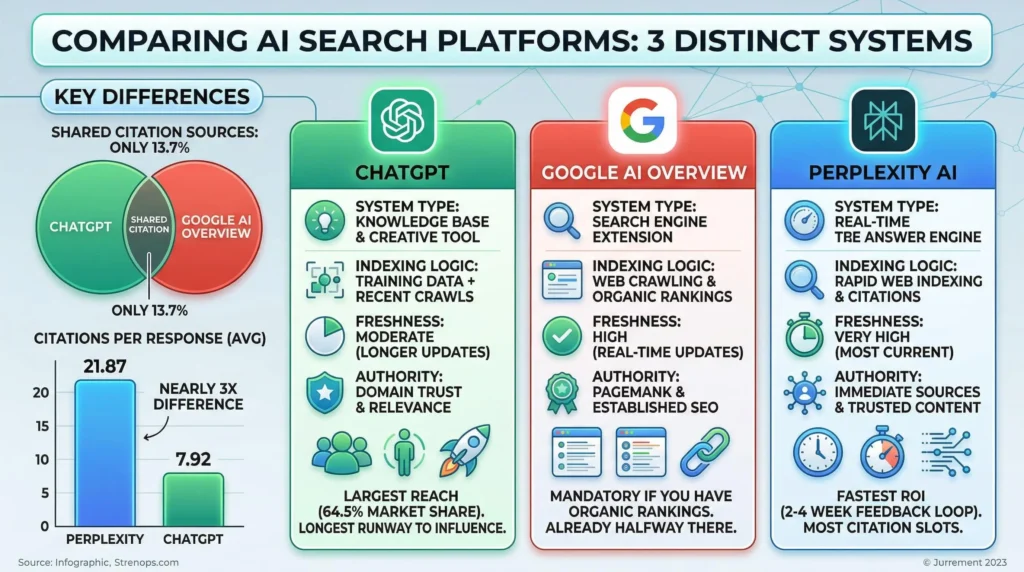
The way people use the internet to find answers is experiencing a massive shift. For decades, standard search engine optimization meant adjusting content to land inside a static list of ten blue links on Google. Today, millions of modern searchers are moving away from traditional engines and choosing conversational answer platforms like Perplexity to get clear, immediate answers to their questions.
When a user enters a query, Perplexity does not simply point them to an outside page. Instead, it reads the live web, analyzes the top resources, and drafts a single, unified response with clear links to its sources. If your business is missing from those citations, you become completely invisible to a highly motivated audience.
Tracking your visibility on Perplexity is the most effective way to protect your brand name in an era run by artificial intelligence. By discovering how this engine reads, filters, and shares your data, you can intentionally position your business to earn constant recommendations.
How Tracking Changes the Way You Connect with Buyers
Many corporate marketing teams look at their stable website numbers and wonder why they need to track a completely new platform. Monitoring your AI presence matters because conversational search changes how a customer moves from an initial question to a final purchase.
Reaching Customers Who Are Ready to Buy
People do not type short, simple keywords into conversational engines. They type detailed, multi-layered descriptions of their exact problems. A user might ask for a specific software comparison based on a strict budget or a local service business that handles a specialized type of repair.
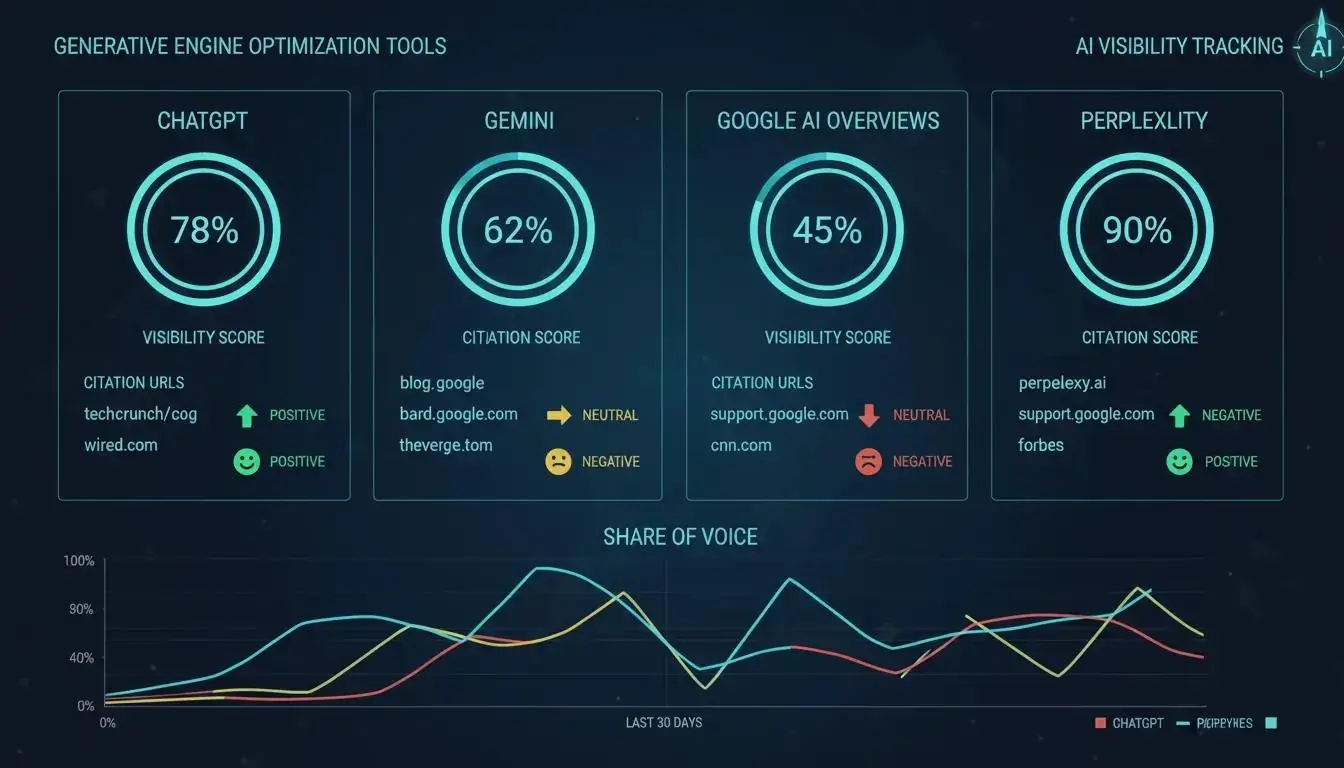
When Perplexity uses your website to answer these highly specific questions, your business is placed directly in front of an ideal customer who is deep in the buying cycle. Tracking these instances allows you to see which articles or product descriptions are successfully winning these high-intent leads.
Gaining True Confirmation of Content Value
Perplexity relies on a multi-layer machine learning reranker to test web pages for factual depth and credibility before using them. Earning an inline link is an explicit vote of confidence from the platform’s advanced algorithms.
By tracking these placements, you gain real confirmation that your content is structured correctly and offers genuine worth. This metric helps your team identify exactly which assets are viewed as trustworthy by automated systems.
Finding Critical Gaps and Competitor Moves
If you only monitor your own organic positions, you miss how the market is moving around you. A consistent tracking routine shows you the exact URLs and paragraphs your competitors use to capture citations.
Analyzing the pages that Perplexity prefers in your industry shows you what your own content is missing. You can then update your pages with the exact facts, figures, or layouts needed to win the recommendation back.
Understanding the Binary Gates of Conversational Search
Unlike old search engines that give websites a weighted score based on link volume, Perplexity relies on a process called Retrieval-Augmented Generation. This system uses an elimination strategy to filter out millions of pages through specific criteria. If your website fails a single check, it is removed from the answer pool immediately.
Technical Access
The first gate confirms whether the platform’s collection systems can easily read your website code. If a page loads slowly or uses messy code structures, it is dropped right away.
Recency
Perplexity favors fresh, up-to-date details over older material. The system constantly tests pages to see if they satisfy its time-decay requirements, meaning older articles without clear updates are pushed aside.
Semantic Match
The engine checks whether your text answers the true intent of the user’s question, rather than just matching a few keywords.
Entity Corroboration
The system looks across the web to see if other trusted sites agree with your information. If your business is mentioned consistently on external platforms, your authority increases.
Engagement
The final check looks at how users interact with your content when they click through, favoring sites that provide clear, immediate utility.
The Reality of AI Search Traffic Behavior
A major reason tracking is completely vital is that user behavior inside an answer engine looks nothing like standard search behavior. To build content that actually gets read, you have to understand how a human interacts with an AI-generated summary page.
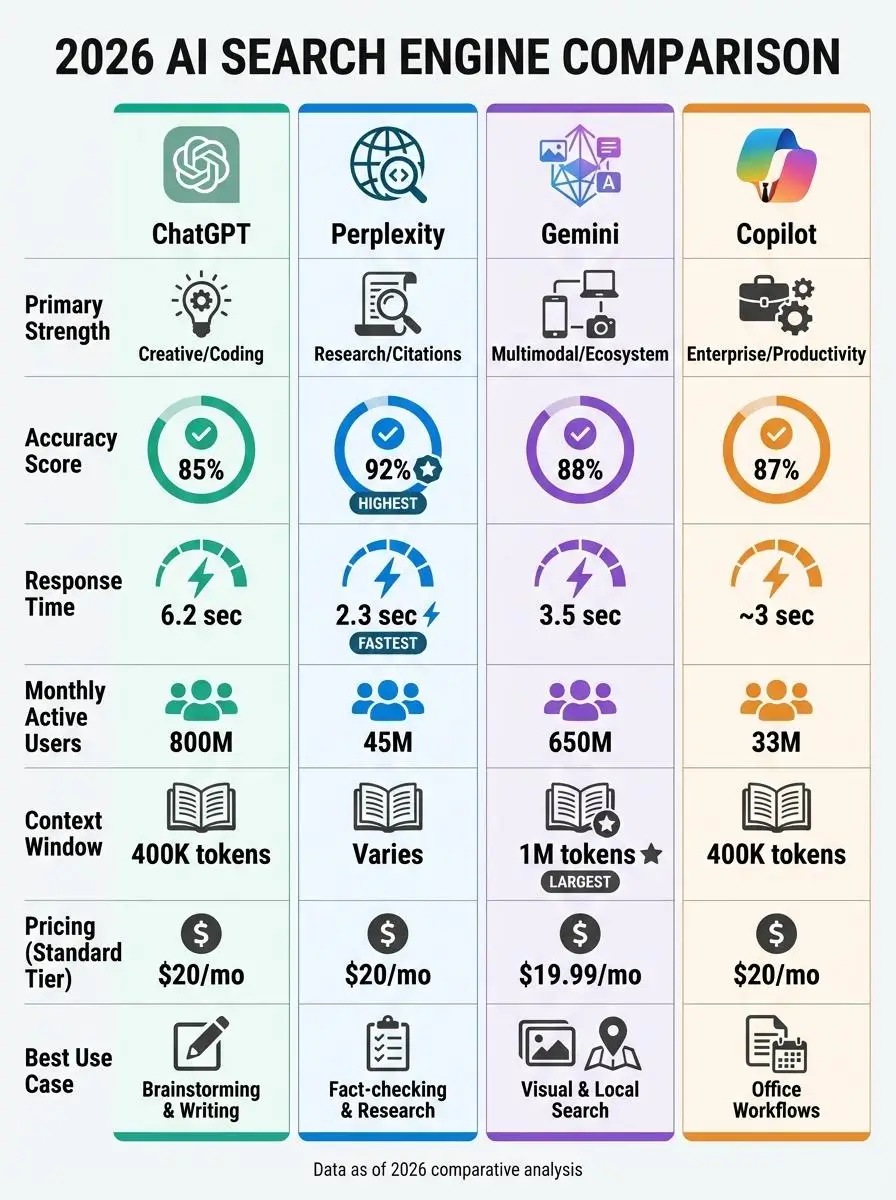
The Death of the Traditional CTR Curve
In Google search, the top result receives roughly thirty percent of all clicks, and traffic drops like a stone as you move down the page. In conversational search, there is no top spot. Instead, users scan the written summary and look at the source boxes that appear nearby. Traffic is distributed much more evenly among the top three or four cited sources that the engine packages together, meaning that being one of several trusted citations is just as good as being listed first.
Passage-Level Attention Spans
When a visitor clicks an inline citation link from an AI response, they are not looking to read a massive ten-thousand-word masterclass from start to finish. They are coming to verify a specific statement, number, or claim that the AI highlighted. If that exact information is buried deep inside a chaotic, unorganized webpage, the user will leave immediately. Tracking your visibility forces you to build tight, highly focused landing modules that match the specific passage the AI pulled.
What the Data Says: Competitor Patterns and Live Studies
Looking closely at top-ranking corporate sites and recent data from leading marketing agencies reveals that winning AI citations requires an entirely different style of writing.
The Power of Factual Density
A recent study by Seer Interactive analyzed ten thousand live queries and discovered that content featuring relevant statistics and expert quotes experienced a forty percent boost in AI search visibility. Perplexity wants to share hard data, not vague marketing promises or repetitive introductory text. Top-performing sites focus heavily on factual density, making sure every sentence provides unique value.
Mentions Matter More Than Links
An analysis by Ahrefs covering seventy-five thousand brands revealed an amazing shift in how authority is built. Branded web mentions on trusted third-party domains correlated with AI search visibility at a rate nearly three times stronger than standard website backlinks. The engine reads review sites, news outlets, and forums to understand who the real leaders are in every industry.
The Impact on Conversion Rates
Recent data from Microsoft Clarity shows that traffic arriving from a Perplexity citation converts at an average rate of ten and a half percent. This is vastly superior to the two-and-eight-tenths-percent average seen in traditional organic search traffic. Because the AI engine has already used your content to answer the user’s question, visitors arrive at your site pre-qualified and ready to take action.
Key Metrics to Keep Under Close Review
To run a successful conversational marketing strategy, your analytics dashboard must track an entirely new set of indicators.
Citation Rate per Prompt
This tracks the exact percentage of times your website appears as a clickable source for a tracked group of questions. Because AI answers change dynamically based on real-time web conditions, checking this number over a weekly cycle gives you a true baseline of your visibility.
Share of Voice
This metric compares your overall visibility against your top three industry competitors across your entire target prompt library. It gives you a clear look at who is dominating the conversation in your market.
Citation Position Prominence
Perplexity displays its sources in a visible row alongside or above the generated response. The links sitting in the first and second slots earn the vast majority of user clicks. Tracking your spatial position in this row is essential to understanding your actual traffic potential.
Contextual Brand Sentiment
An advanced tracker does more than log a link; it reads the surrounding text. You must monitor whether the AI frames your company as a primary recommendation, a neutral example, or an option with known product limits.
Four Simple Formatting Steps to Win More Citations
Once you use tracking data to find your weak points, you can use specific structural changes to make your pages easy for an AI to parse, extract, and cite.
1. Build a Direct Definition Block
Open your articles or major sections with a clear, concise definition consisting of forty to sixty words. This approach gives the algorithm a clean summary that it can lift directly into an answer without having to rewrite your text.
2. Follow the Inverted Pyramid Style
Always place your direct answer first, your supporting evidence second, and additional background details third. This layout prevents important facts from getting lost in the middle of long documents, which is a common reason why language models overlook good content.
3. Use Conversational Question Headings
Write your subheadings exactly like the natural questions real people type into their apps. When the system searches for an answer, it matches user intent to your heading structures to locate relevant content chunks instantly.
4. Provide Genuine Information Gain
The algorithm is trained to ignore pages that simply copy information that is already widely available across the web. To stay in the candidate pool, you must include original research, unique case studies, or proprietary business frameworks that add net-new value to the topic.
The Long-Term Value of Tracking Your Rankings
Investing in a dedicated strategy to watch and improve your conversational visibility builds a lasting competitive advantage for your business.
Strong Digital Authority
Securing early, regular citations helps the engine’s internal memory networks build deep conceptual links between your brand name and your main industry topics. This makes it much harder for slower competitors to replace you as the default recommendation later on.
Reduced Waste in Content Budgets
Instead of guessing what kinds of articles to write, tracking data tells you the exact structural patterns, lengths, and factual depths the algorithm prefers. Your team can build new pages with complete confidence, knowing each asset is designed from the ground up to win maximum exposure.
Future-Proofing Your Marketing Channels
As conversational interfaces continue to grow across mobile devices and computers, traditional search traffic will naturally shift. Tracking your rankings today ensures your business is fully prepared to capture referrals from the tools your customers prefer to use tomorrow.